
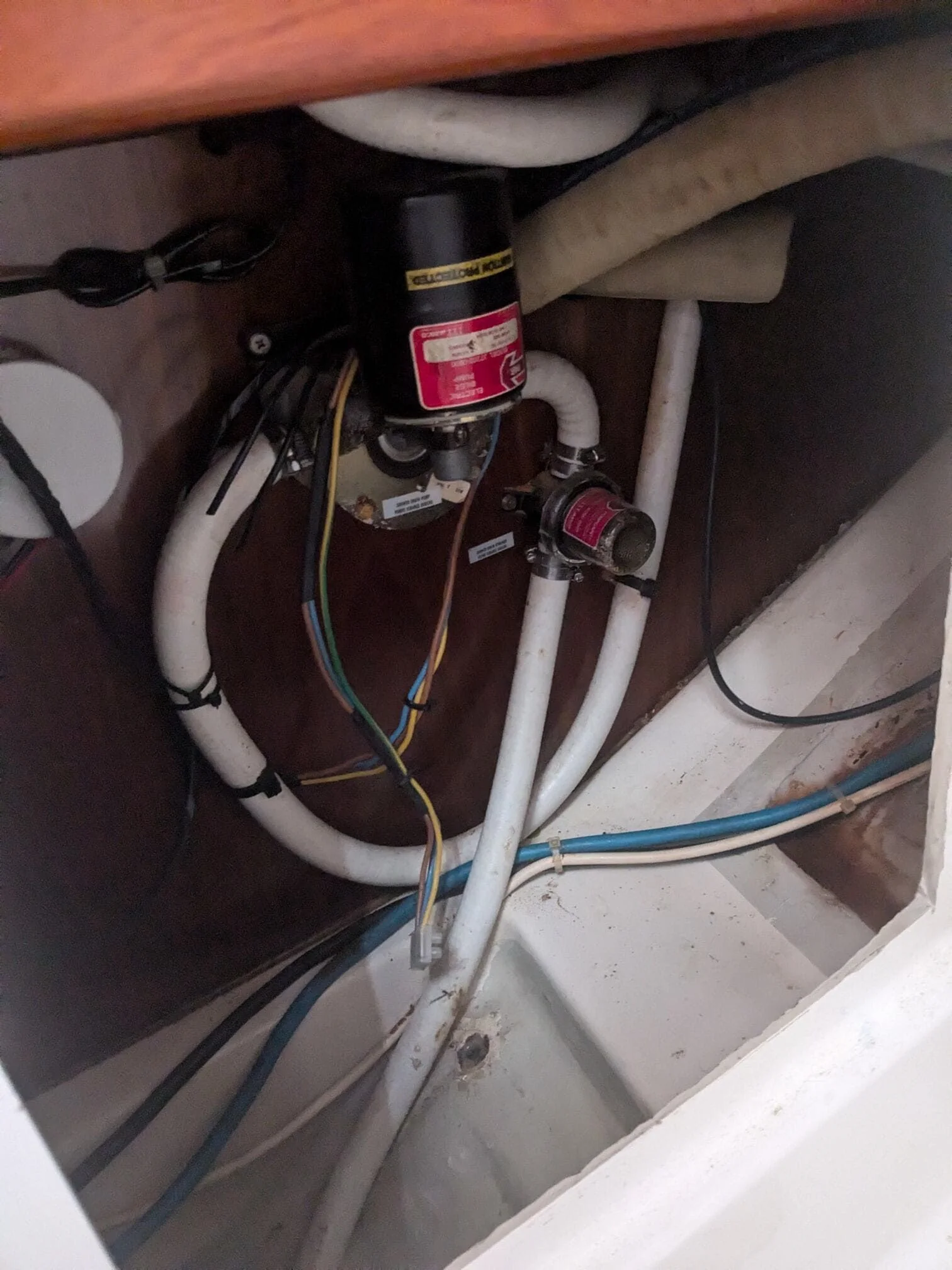
The Electrical System Your Boat Depends On More Than You Think
Most boaters in St. Petersburg focus on engine performance, hull condition, or fuel systems when prepping for a day on Tampa Bay — but marine electrical repair is often the overlooked piece that determines whether you leave the dock or spend your Saturday troubleshooting a dead boat. Saltwater environments are uniquely brutal on wiring, connectors, and electronics, accelerating corrosion at a rate that freshwater boaters rarely experience. By the time a problem becomes obvious, the damage has usually been building for months.
Understanding what can go wrong — and why it goes wrong — helps you catch issues early and avoid the kind of breakdown that ruins a fishing trip or a weekend outing with the family.
How Saltwater Corrosion Attacks Marine Wiring
Salt air and spray don’t just rust metal — they creep into terminal connections, battery terminals, fuse blocks, and bilge pump wiring, creating high-resistance points that cause voltage drops, intermittent failures, and eventually complete circuit failure. In Florida’s Gulf Coast climate, this process is year-round, not seasonal.
Common culprits include:
- **Green or white oxidation on battery terminals** — a sign that current flow is already compromised
- **Corroded bilge pump connections** — dangerous because a failed bilge pump can go unnoticed until water accumulates
- **Degraded heat-shrink connectors** — low-quality connectors absorb moisture over time and fail from the inside out
- **Chafed or brittle wiring runs** — especially in outboard rigging and areas where wiring contacts fiberglass or metal edges
A mobile marine mechanic can inspect these areas at your slip or driveway without requiring you to haul the boat to a boatyard — a significant advantage when you own a larger vessel or simply don’t have a trailer.
Common Marine Electrical Problems That Ground Boats Before a Trip
The most frustrating electrical failures are the ones that appear without warning right before you planned to head out. Here are the issues that come up most frequently on the Gulf Coast:
**Battery and charging system failures** — An outboard or inboard that cranks slowly or won’t start at all is often a battery issue, but the root cause could be a failing alternator, a bad rectifier on a stator, or a parasitic draw draining the battery overnight.
**Navigation and running light failures** — Required by law when operating at dawn, dusk, or night, non-functional running lights are both a safety hazard and a citation risk on busy waterways like Tampa Bay.
**Depth finder and chartplotter power issues** — Electronics that flicker, reset, or won’t power on are frequently traced back to a shared power bus with a voltage drop problem rather than a defective unit.
**Trim and tilt motor faults** — Outboard trim systems rely on small electric motors and solenoids that corrode quickly. A motor stuck in the fully down position makes launching or loading onto a trailer extremely difficult.
**Bilge pump and float switch failures** — These are life-safety items. A float switch stuck in the off position means the pump never activates when it should.
Why Mobile Service Makes Sense for Electrical Diagnostics
Electrical diagnosis is inherently contextual — the problem often only appears under specific conditions, like when the engine is warm, when the boat is in the water, or when multiple accessories are running simultaneously. Diagnosing in the environment where the fault actually occurs gives a mobile mechanic a significant advantage over a shop that sees the boat cold and dry on a stand.
A technician arriving at your marina slip in St. Petersburg can run the boat in its normal operating state, use a multimeter and load tester under real conditions, and trace wiring through the actual bilge and rigging without the artificial constraints of a shop environment. For intermittent faults — the hardest electrical problems to solve — this is often the difference between finding the issue and sending you home with a guess.
Preventive Steps That Reduce Electrical Failures
You don’t have to wait for something to fail. A few practical habits significantly extend the life of your boat’s electrical system:
- **Apply dielectric grease** to every terminal and connector during annual maintenance — it displaces moisture and slows oxidation
- **Check battery voltage with a multimeter** every few months; a fully charged 12V battery should read around 12.6–12.8 volts at rest
- **Inspect bilge pump operation** manually before every trip — press the override switch and confirm it runs
- **Replace any heat-shrink connectors** that show signs of corrosion or discoloration rather than re-using them
- **Have wiring inspected by a professional** before the spring season, when demand peaks and scheduling gets tight
A pre-season electrical check from a mobile marine mechanic is far less expensive than an emergency call on a Saturday morning when you’re already at the boat ramp. In St. Petersburg’s year-round boating environment, staying ahead of electrical issues isn’t just smart maintenance — it’s what keeps your weekends on the water instead of on the phone.