
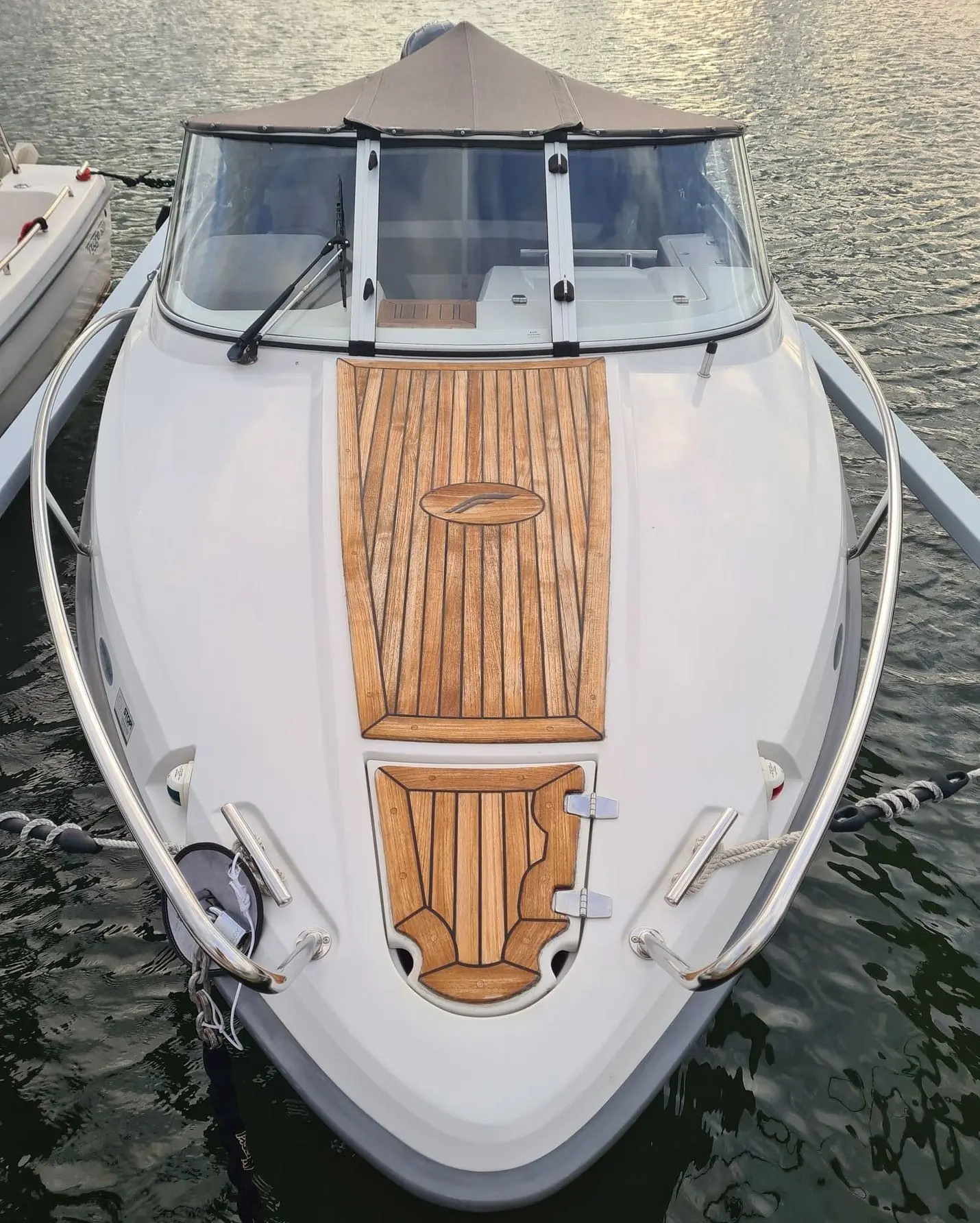
OEM vs. Aftermarket Boat Windshields: Which to Choose?
For most boat owners, an aftermarket windshield offers the best balance of cost and quality, but OEM is worth the premium when fit precision and resale value matter most. The right choice depends on your boat's age, how you use it, and how long you plan to keep it. Understanding the key differences between the two options makes the decision straightforward. Learn more about Boat Windshield Replacement.

What OEM and Aftermarket Actually Mean
OEM stands for Original Equipment Manufacturer, meaning the windshield is made by or to the exact specifications of the company that built your boat. Aftermarket windshields are produced by third-party manufacturers and designed to fit a range of models rather than one specific hull. Both can be made from the same base materials, typically marine-grade tempered glass or acrylic, but the engineering tolerances and quality control processes differ. Knowing which category a part falls into tells you a lot about what to expect before you ever place an order.
How Fit and Finish Compare Between the Two
OEM windshields are cut and framed to match your boat's exact mounting points, gasket channels, and frame geometry. That precision fit means less time during installation adjusting for gaps, and a lower risk of water intrusion at the seal. If your boat is a current production model from a major manufacturer, OEM parts are usually available through a dealer and arrive ready to drop in.
Aftermarket windshields are engineered to cover a broad range of similar hull designs, which means some trimming, shimming, or custom sealing may be needed to get a watertight result. That is not necessarily a problem when the work is done by an experienced marine mechanic, but it does add labor time. For older or discontinued boat models, aftermarket is often the only realistic option because OEM parts are simply no longer produced.
- OEM fit is tighter out of the box, reducing installation variables
- Aftermarket may require minor adjustments to achieve a proper seal
- Discontinued models almost always require aftermarket or custom fabrication
- A skilled installer can make either option perform correctly long-term
Key Factors to Weigh Before You Decide
Run through these six factors against your specific situation to land on the right choice.
Boat Age:
OEM parts are easiest to source for boats under ten years old. Older or out-of-production models often have no OEM option, making aftermarket the practical path.
Budget:
Aftermarket windshields typically cost less than OEM equivalents, sometimes significantly so. Factor in any extra labor for fitting adjustments when comparing total price.
Resale Value:
OEM parts are a selling point if you plan to list the boat. Buyers and surveyors often view original-spec components as a sign of careful ownership.
Material Quality:
Both OEM and reputable aftermarket brands use marine-grade materials, but quality varies widely among aftermarket suppliers. Ask for UV-resistance ratings and warranty terms before buying.
Availability:
OEM parts can have long lead times if they are back-ordered at the manufacturer. Aftermarket suppliers often ship faster, which matters if your boat is out of service mid-season.
Customization:
Aftermarket suppliers sometimes offer tint options, frame finishes, or modified dimensions that OEM does not. If you want to upgrade the look while replacing, aftermarket gives you more flexibility.

Making the Final Call and Getting It Installed Right
Once you have weighed fit, cost, availability, and your plans for the boat, the decision usually becomes clear. If your boat is a current model, you value a clean dealer warranty, and budget is flexible, go OEM. If your boat is older, you need a faster turnaround, or you want to save money without sacrificing durability, a quality aftermarket windshield installed by a professional marine mechanic is a smart choice. Either way, the quality of the installation matters as much as the part itself. A properly sealed and secured windshield, whether OEM or aftermarket, will protect your helm and passengers for years. For a full look at what the replacement process involves, visit our boat windshield replacement page.
Related Guides
Previous: Best Glass and Acrylic Options for Boat Windshields: A Material Guide | Next: Signs Your Boat Windshield Needs Replacing (Not Just Repairing)
Frequently Asked Questions
Is an aftermarket boat windshield as durable as OEM?
It can be, provided you choose a reputable brand that uses marine-grade tempered glass or UV-stabilized acrylic. The key is checking the material specs and warranty rather than assuming all aftermarket products are equal. A lower price does not always mean lower quality, but it does mean you need to do a little more research before buying.
How do I find out if OEM parts are still available for my boat?
Start with the boat manufacturer's dealer network or their parts portal online. If the model has been discontinued for more than a decade, the dealer will usually tell you quickly whether parts are still stocked or if you need to look at aftermarket alternatives. A marine mechanic who works on your brand regularly will also know from experience what is realistically available.
Will an aftermarket windshield void my boat's warranty?
In most cases, no, but it depends on the warranty terms from your manufacturer. Most marine warranties cover defects in the hull and mechanical systems rather than replacement parts. If your boat is still under a factory warranty, it is worth reviewing the terms or asking your dealer before installing any non-OEM component.
Can I install a replacement windshield myself to save money?
Technically yes, but windshield installation requires proper sealing to prevent water intrusion at the helm, which can damage electronics and create safety hazards. Incorrect installation can also cause stress cracks in glass or acrylic over time. Most boat owners find that professional installation pays for itself by avoiding those downstream problems.
How long does a replacement boat windshield typically last?
A properly installed marine windshield made from quality materials should last ten to twenty years under normal use. UV exposure, saltwater, and physical impacts are the main factors that shorten lifespan. Regular cleaning with products designed for marine glass or acrylic and prompt attention to any chips or seal gaps will extend it significantly.
What should I ask a supplier before buying an aftermarket windshield?
Ask for the specific material grade, the UV-resistance rating, what the warranty covers, and whether the dimensions have been verified against your exact hull model. Also confirm whether the frame finish is compatible with your existing hardware so you do not end up with a mismatched appearance. Getting those answers in writing protects you if the part does not perform as described.