
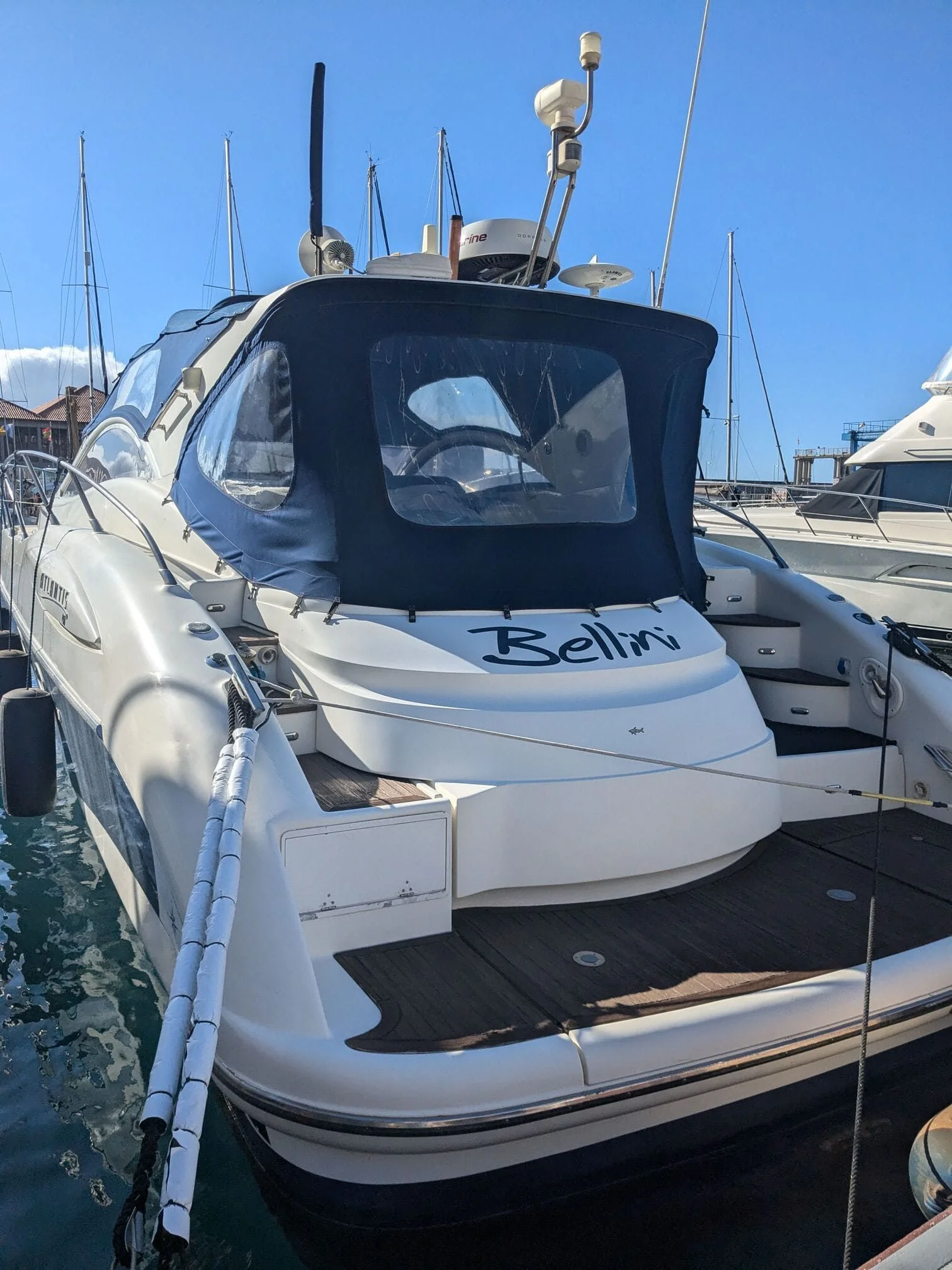
Best Glass and Acrylic Options for Boat Windshields
For most recreational boats, tempered glass offers the best balance of clarity and durability, while acrylic works well on smaller vessels where weight and cost matter. Laminated glass is the premium choice when safety and optical quality are the top priorities. Understanding the trade-offs between these three materials helps you choose a windshield that holds up to sun, salt, and impact for years. Learn more about Boat Windshield Replacement.
The Three Main Windshield Materials and What Sets Them Apart
Marine windshields are made from tempered glass, laminated glass, or one of several acrylic plastics, most commonly cast acrylic (sold under brand names like Plexiglas) or polycarbonate. Each material handles impact, UV exposure, and temperature changes differently, and each has a different weight and price point. The right choice depends on your boat type, how you use it, and how long you want the windshield to last before it needs attention again. A mobile marine mechanic can assess your existing frame and recommend the material that fits without requiring a full console rebuild.
Material Comparison at a Glance
Here is how the three main windshield materials stack up across the factors that matter most on the water.
Tempered Glass:
Shatters into small, relatively safe pieces on hard impact. Excellent optical clarity and scratch resistance, holds up well in heat, and resists UV yellowing indefinitely.
Laminated Glass:
Two glass layers bonded with a plastic interlayer. Stays in one piece when broken, offering the highest safety rating. Common on larger offshore and center-console boats.
Cast Acrylic:
Lightweight and easy to cut into curved shapes. Good UV resistance when treated, but scratches more easily than glass and can craze over time with harsh cleaners.
Polycarbonate:
Nearly unbreakable under impact, making it popular on high-speed and performance boats. Scratches easily without a hard coating and yellows faster than cast acrylic without UV protection.
Weight Consideration:
Acrylic and polycarbonate weigh roughly half as much as glass of the same thickness, which matters on smaller boats where top-side weight affects handling and fuel economy.
Cost Range:
Acrylic is typically the most affordable option. Tempered glass sits in the middle, and laminated glass carries the highest material cost, though it often reduces long-term replacement frequency.
Which Material Suits Your Boat Type
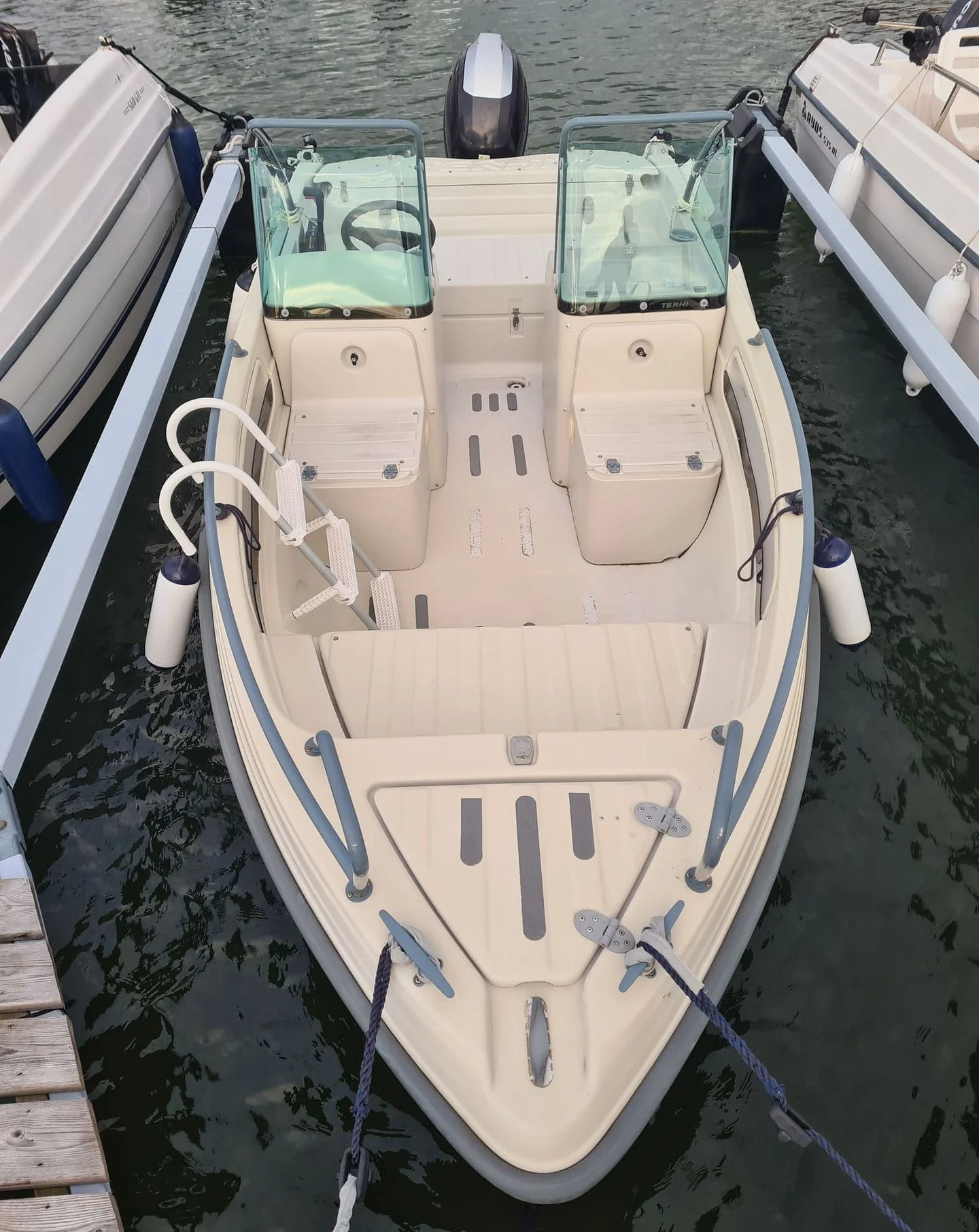
Pontoon boats, bowriders, and smaller runabouts are strong candidates for cast acrylic windshields. The material is easy to fabricate into the curved or wraparound shapes these boats often use, and the lighter weight keeps the bow from riding heavy. The trade-off is that acrylic needs gentle cleaning products and a UV-protective polish applied regularly to prevent hazing. Polycarbonate is a reasonable upgrade for boats that see a lot of rough water or docking impacts, though you should confirm it has a factory-applied hard coat, otherwise surface scratches will cloud your view within a season or two.
Larger center-console boats, walkarounds, and offshore sportfishers benefit most from tempered or laminated glass. These boats spend more time in direct sun and saltwater spray, and glass simply holds its clarity longer under those conditions. Laminated glass is worth the extra cost on any boat where passengers stand close to the windshield underway, because it will not scatter into fragments if a wave-thrown object or a hard fall makes contact. If your current windshield is glass and you are replacing it like-for-like, staying with the same material usually means the existing frame and gasket channels will fit without modification.
- Pontoon and bowrider: cast acrylic is the standard and most cost-effective choice
- High-speed or performance boats: polycarbonate with hard coat for impact resistance
- Center-console and offshore: tempered glass for long-term clarity in harsh conditions
- Family cruisers and larger vessels: laminated glass for maximum safety and longevity
UV Resistance and Long-Term Clarity
UV degradation is the most common reason marine windshields need early replacement. Glass does not yellow or craze regardless of sun exposure, which is a significant advantage in climates with intense sunlight year-round. Cast acrylic holds up reasonably well if it is cleaned with products designed for plastics and treated with a UV-inhibiting polish every season. Polycarbonate without a hard coat can begin to yellow noticeably within two to three years in full sun, so always confirm the sheet you are buying includes UV protection built into the surface layer. No matter which material you choose, proper installation with the right sealant and gasket material prevents water intrusion that accelerates deterioration from the inside out.
Related Guides
Previous: Boat Windshield Replacement Cost: What to Expect in 2024 | Next: OEM vs. Aftermarket Boat Windshields: Which Should You Choose?
Frequently Asked Questions
Can I replace a glass windshield with acrylic to save money?
Yes, but the frame channels and mounting hardware may need adjustment because acrylic is typically thinner than the original glass. A marine mechanic can check the fit before you order material and add gasket shims if needed. The cost savings on material can be offset by fabrication work if the frame requires modification.
How do I remove scratches from an acrylic boat windshield?
Light surface scratches in acrylic can be buffed out with a plastic polish and a soft cloth using circular motions. Deeper scratches that catch a fingernail require wet sanding with progressively finer grits followed by polishing. Glass windshields are scratch-resistant enough that this is rarely needed.
What thickness should a marine windshield be?
Most recreational boat windshields use glass between 3mm and 6mm thick, with larger or offshore vessels typically using 6mm or thicker laminated glass. Acrylic replacements are commonly cut at 6mm to 9mm to compensate for the material's lower rigidity compared to glass.
Does laminated glass really stay in place when it breaks?
Yes, the plastic interlayer holds the broken pieces together so the windshield stays in the frame rather than scattering. It will crack and lose clarity, but it will not collapse inward or send fragments toward passengers, which is why it is the preferred choice on offshore and larger vessels.
How long does a marine windshield typically last?
Tempered and laminated glass windshields can last the life of the boat with proper care. Acrylic windshields typically need replacement or refinishing every five to ten years depending on UV exposure and how well they are maintained. Polycarbonate without a hard coat may need attention sooner in high-sun environments.
Can a mobile marine mechanic cut and install a new windshield on site?
For acrylic and polycarbonate, a mobile mechanic can often cut panels to size and install them at your slip or driveway using portable tools. Custom-cut tempered or laminated glass requires a glass fabrication shop to cut and temper the panel before installation, so the mechanic handles removal, fitting, and sealing once the glass is ready.