
Why Is My Boat Lift Not Working? Common Problems & Fixes
Most boat lift failures come down to one of four culprits: worn or broken cables, a failing motor, a hydraulic leak, or an electrical fault. Identifying which system is causing the problem is the fastest path to a safe, working lift. This guide walks you through the most common issues, what to look for, and when the job calls for a professional marine mechanic. Learn more about Boat Lift Repair.
Start With a Visual Inspection Before Anything Else
Before assuming the worst, do a slow walk-around of the entire lift while it is unpowered and the boat is out of the water if possible. Look at the cables for fraying, kinking, or rust; check the motor housing for corrosion or burn marks; and scan the cradle beams and bunks for cracks or misalignment. Many problems that feel catastrophic turn out to be a snapped cable or a tripped breaker that a trained eye spots in minutes. Getting a clear picture of what you can see above the waterline saves time and money when you call in a mechanic.
Cable and Pulley Problems: The Most Common Cause of Lift Failure
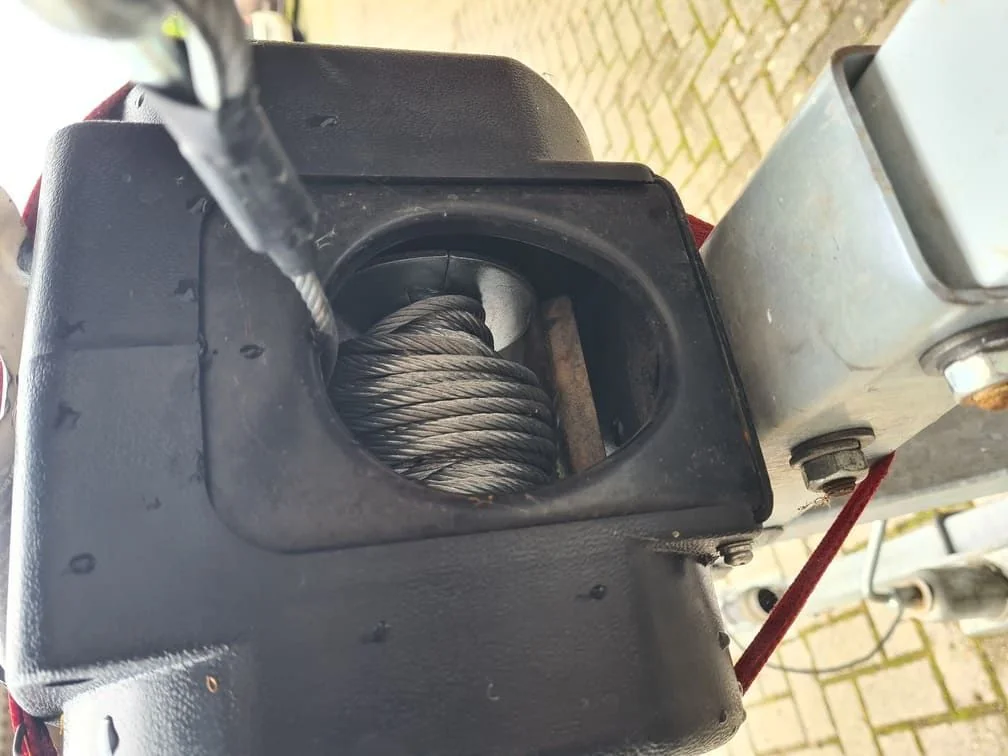
Cables are under constant tension, exposed to salt air, UV, and moisture, which means they wear faster than almost any other component on the lift. A cable that is fraying, corroding, or has jumped its pulley groove will cause the lift to raise unevenly, bind, or stop moving altogether. Never operate a lift with a visibly damaged cable — an unexpected snap under load can damage the boat, the dock structure, or injure anyone nearby.
Pulley sheaves are the next thing to check. A sheave that is cracked, seized, or has a worn groove forces the cable to track incorrectly, accelerating wear on both parts. Replacing cables and sheaves together rather than one at a time is almost always the smarter call because the labor cost is the same and mismatched wear rates will bring you back to the same problem within a season.
Six Common Boat Lift Problems at a Glance
Each of these issues has distinct symptoms that point you toward the right repair.
Frayed or Broken Cable:
The lift raises unevenly or one side drops. Visible wire strands are separated or corroded. Stop use immediately and replace the cable before operating again.
Motor Won't Run:
The lift is silent when you press the button. Check for a tripped breaker or blown fuse first, then inspect the motor capacitor, which is a common failure point on older units.
Motor Runs But Lift Doesn't Move:
You hear the motor humming but nothing rises. This usually points to a stripped drive gear, a sheared motor coupling, or a seized drum — all of which require disassembly to confirm.
Hydraulic Lift Won't Hold Position:
A hydraulic lift that slowly sinks after raising indicates a leaking cylinder seal or a faulty check valve. Low fluid level can also cause sluggish or incomplete raises.
Electrical Fault or Corrosion:
Intermittent operation, sparking at the control panel, or a motor that trips its thermal overload repeatedly all signal wiring or connection problems that need professional diagnosis.
Cradle or Bunk Damage:
A boat that sits crooked or shows pressure marks on the hull may have a bent cradle arm or a deteriorated bunk pad rather than a mechanical lift failure. Inspect the support structure as part of any diagnosis.
When to Stop Troubleshooting and Call a Marine Mechanic
Some boat lift repairs are straightforward enough for a handy owner — resetting a breaker, topping off hydraulic fluid, or replacing a worn bunk pad. But anything involving live electrical components, cable replacement under load, hydraulic cylinder work, or a motor that shows signs of overheating should be handed off to a qualified marine mechanic. Working on a lift with the boat in the water adds real risk, and an improper repair can void manufacturer warranties or create a liability issue if the lift fails and damages another vessel. A mobile marine mechanic can come to your dock, diagnose the problem on-site, and complete most repairs the same day without you ever having to move the boat. For a full breakdown of what professional service covers, visit our boat lift repair page.
Related Guides
Previous: Tampa | Next: Boat Lift Repair Cost: What to Expect for Cables, Motors & More
Frequently Asked Questions
How do I know if my boat lift cable needs to be replaced?
Look for visible wire strands that are broken, kinked, or showing rust along the length of the cable. If the lift raises unevenly or one side lags behind the other, a failing cable is the most likely cause. Any cable showing these signs should be replaced before the lift is used again.
Why does my boat lift motor hum but not lift the boat?
A humming motor that produces no movement usually means the motor is running but cannot turn the drive mechanism. Common causes include a stripped gear, a sheared coupling between the motor and drum, or a drum that has seized due to corrosion. A mechanic will need to open the drive assembly to confirm which component has failed.
Why is my hydraulic boat lift sinking slowly after I raise it?
Slow sinking on a hydraulic lift almost always points to a leaking cylinder seal or a check valve that is no longer holding pressure. Low hydraulic fluid can also cause the lift to settle over time. Both issues require inspection of the hydraulic circuit and are best handled by a mechanic familiar with marine hydraulic systems.
Is it safe to use a boat lift with a frayed cable?
No. A frayed cable is unpredictable under load and can snap without warning, dropping the boat and potentially injuring anyone nearby. Take the lift out of service until the cable is replaced, even if the fraying looks minor.
How often should a boat lift be serviced?
Most manufacturers recommend a full inspection at least once a year, ideally at the start of the boating season. Cables, pulleys, motor connections, and hydraulic fluid levels should all be checked at that time. Lifts in saltwater environments or areas with heavy use may need inspection more frequently.
Can a mobile marine mechanic repair a boat lift at my dock?
Yes. Mobile marine mechanics are equipped to diagnose and repair most boat lift problems on-site, including cable replacement, motor service, hydraulic repairs, and electrical troubleshooting. On-site service means you avoid the cost and hassle of hauling equipment to a shop, and most repairs can be completed in a single visit.