
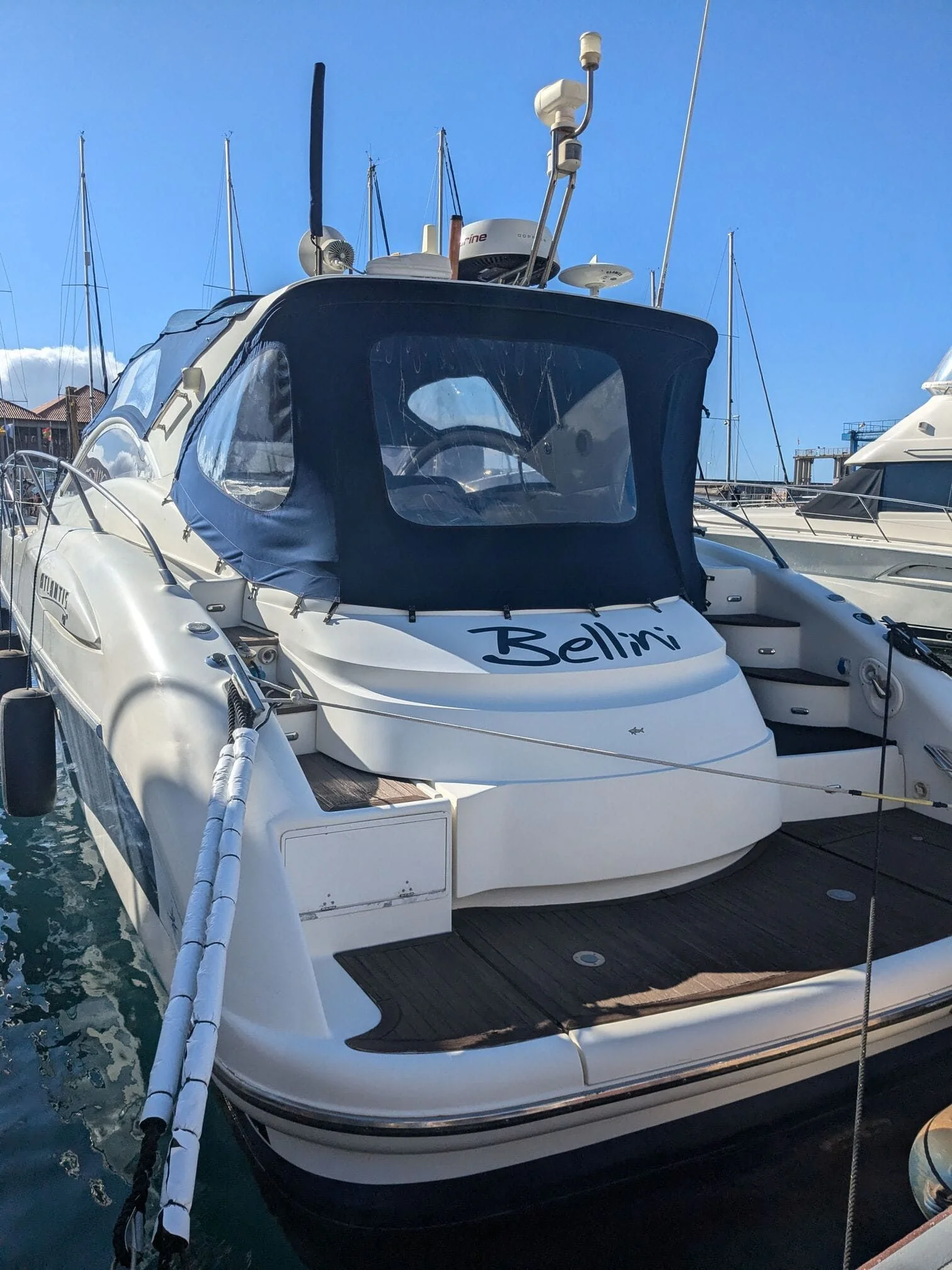
Boat Lift Repair Cost: Cables, Motors & More
Most boat lift repairs fall somewhere between $150 and $1,500 depending on which component needs attention and how far the damage has progressed. Cable replacements and bunk re-covering sit at the lower end, while motor rebuilds and hydraulic system work push toward the higher end. Knowing what drives each cost helps you budget realistically and avoid surprises when a technician arrives. Learn more about Boat Lift Repair.
What You're Actually Paying For When a Lift Breaks Down
Boat lift repair pricing is shaped by three things: parts, labor, and access. A simple cable swap on a four-post cradle lift might take a technician under an hour, while a hydraulic cylinder replacement on a larger floating lift can require specialized parts with long lead times and two technicians working together. Labor rates for mobile marine mechanics typically run between $95 and $175 per hour, and that rate stays the same whether the job is straightforward or complicated. Getting a clear diagnosis before authorizing work is the best way to keep costs predictable.
Typical Cost Ranges by Component
These ranges reflect parts and labor combined for common boat lift repairs across most residential dock setups.
Cable Replacement:
Replacing worn or frayed lift cables generally runs $150 to $400 per cable depending on length and gauge. Replacing all cables at once saves a return trip and often reduces total labor cost.
Motor Repair or Replacement:
Repairing a seized or burned-out motor can cost $300 to $800. Full motor replacement, including a new unit and installation, typically lands between $500 and $1,200 depending on the lift brand and motor size.
Bunk Re-Covering:
Replacing worn carpet or synthetic padding on bunks usually runs $100 to $350 for a standard four-bunk setup. Damaged bunk boards that need full replacement add $50 to $150 per board in materials.
Hydraulic System Service:
Hydraulic cylinder seals, fluid flushes, and line repairs range from $250 to $900. A full cylinder replacement on a larger lift can exceed $1,000 once parts and labor are combined.
Cradle and Frame Welding:
Cracked welds or corroded frame sections that need structural repair typically cost $200 to $600 depending on how many joints are affected and whether the lift must be partially disassembled.
Electrical and Switch Repairs:
Replacing a faulty control switch, corroded wiring, or a failed capacitor usually falls between $100 and $350. Full control box replacements run higher, often $400 to $700 with installation.
What Makes One Repair More Expensive Than Another
The age and brand of your lift matter more than most owners expect. Older lifts from manufacturers that have since gone out of business may require fabricated or sourced replacement parts, which adds both cost and time. Lifts that have not been serviced regularly also tend to have corrosion in fasteners and pulleys, meaning a job that looks simple from the outside takes considerably longer once a technician is actually working on it.
Access is the other major cost driver. A lift positioned at the end of a long dock, in a covered slip with low clearance, or in water too shallow for a service vessel adds time to every task. Mobile marine mechanics factor travel and setup into their quotes, so a job that takes 45 minutes of hands-on work might still carry a two-hour minimum charge. Asking about minimum call-out fees upfront prevents billing surprises.
- Deferred maintenance almost always increases repair scope and cost
- Proprietary parts for discontinued lift brands can double material costs
- Covered slips and tight dock configurations add labor time
- Saltwater environments accelerate corrosion and shorten component life
- Combining multiple small repairs into one service call reduces per-job labor
When to Repair Versus When to Replace the Whole Lift
A general rule of thumb in the marine industry is that if a single repair exceeds 50 percent of what a comparable new or refurbished lift would cost, replacement deserves serious consideration. Cables, motors, and bunks are almost always worth repairing because they are serviceable components on an otherwise sound structure. Frame corrosion, cracked welds across multiple joints, or a failed hydraulic system on a lift that is already 20-plus years old shifts the math toward replacement. A qualified technician can give you an honest assessment of the lift's overall structural condition alongside any repair quote, which is the most useful information you can have when making that call.
Related Guides
Previous: Why Is My Boat Lift Not Working? Common Boat Lift Problems & How to Fix Them
Frequently Asked Questions
How do I know if my boat lift cables need replacing?
Look for visible fraying, kinking, rust staining along the cable length, or any broken individual strands. Cables that are difficult to spool evenly or that make grinding sounds through the pulleys are also showing wear. Most manufacturers recommend replacing cables every five to seven years regardless of visible condition in saltwater environments.
Can I replace boat lift cables myself to save money?
Cable replacement is technically possible as a DIY job, but it carries real risk if the lift is not properly supported during the process. Incorrect cable routing or improper tensioning can cause uneven lifting, which stresses the frame and can damage your boat. Most owners find the labor savings are not worth the liability, especially when a mobile mechanic can complete the job in a single visit.
Why did my boat lift motor stop working?
The most common causes are a failed capacitor, moisture intrusion into the motor housing, a tripped thermal overload switch, or corrosion on the electrical connections. A capacitor failure is usually the cheapest fix. Full motor burnout from running the lift under an overloaded condition is more expensive but still repairable in most cases.
How long does a typical boat lift repair take?
Simple repairs like a switch replacement or single cable swap often take one to two hours. More involved work like a motor replacement or hydraulic service typically runs three to five hours. If parts need to be ordered, there may be a delay between the diagnostic visit and the actual repair appointment.
Does homeowner's insurance cover boat lift repairs?
Standard homeowner's policies rarely cover mechanical breakdown of a boat lift, but damage caused by a covered event like a storm or a vessel collision may qualify for a claim. Review your policy's dock and marine structure language carefully, and document any storm-related damage with photos before beginning repairs.
How can I reduce boat lift repair costs over time?
Annual inspections catch small problems before they become expensive ones. Rinsing cables, pulleys, and motor housings with fresh water after saltwater use significantly extends component life. Lubricating pulleys and cable guides each season and keeping the lift's weight capacity matched to your actual boat weight are the two habits that prevent the most common failures.