

Is Restoring an Old Boat Worth It? Decide First
Restoring an old boat is worth it when the hull is structurally sound, replacement parts are still available, and the total cost of restoration lands well below what a comparable boat sells for on the open market. If any one of those three conditions fails, buying new or buying a newer used boat almost always makes more financial sense. Run through the four checkpoints below before you commit a single dollar to the project. Learn more about Boat Restoration.
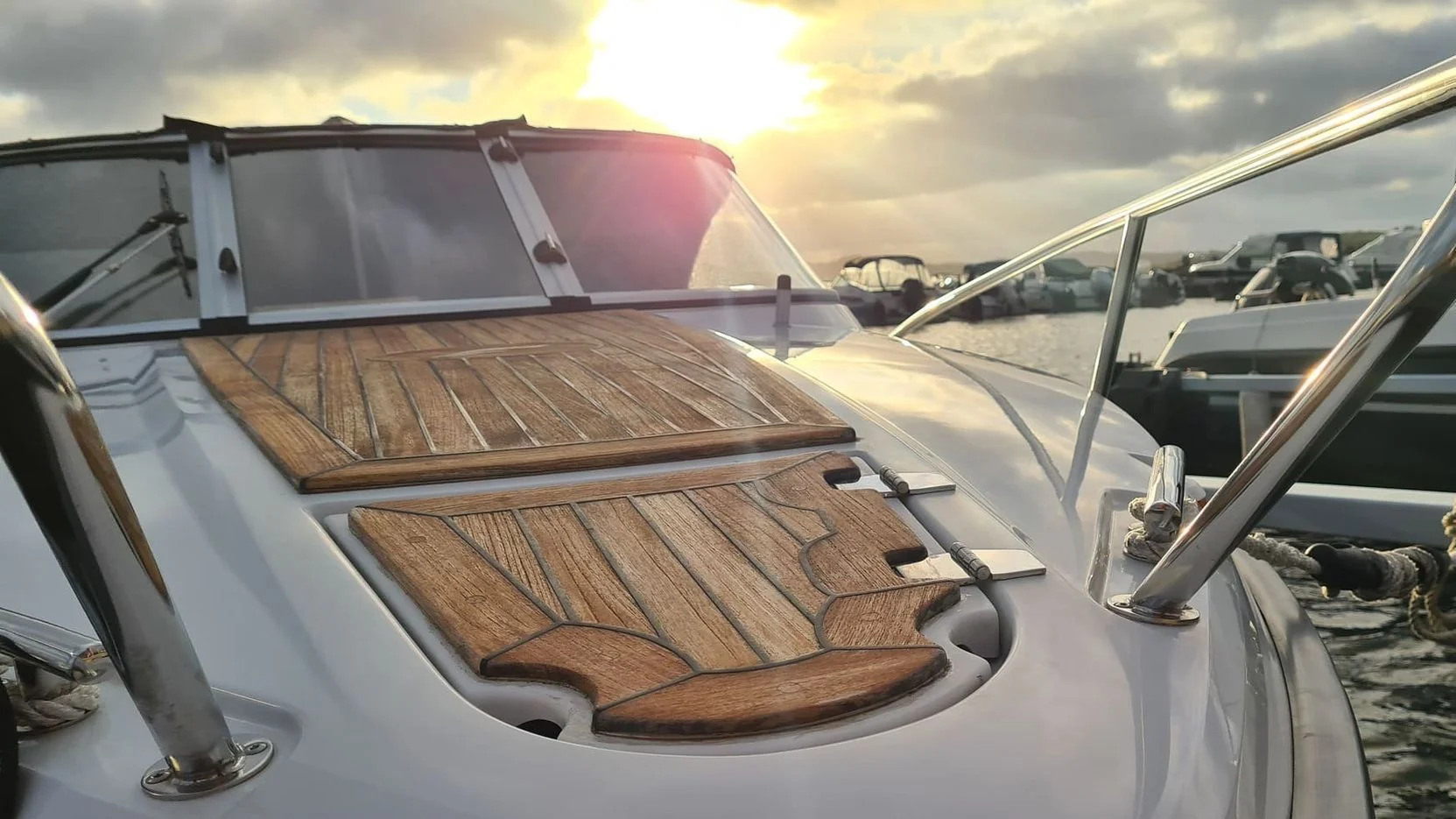
Start With the Hull — Everything Else Is Secondary
The hull is the one component that cannot be cheaply swapped out, so it must be your first and most honest evaluation. Soft spots, delamination, deep osmotic blistering, or a cracked stringer system can push repair costs past the value of the finished boat before you ever touch the engine. Tap the hull methodically with a rubber mallet and listen for dull, hollow sounds that signal water intrusion in fiberglass or rot in wood-core construction. If a qualified marine mechanic or surveyor finds structural compromise beyond the outer skin, treat that as a serious warning sign rather than a minor line item.
Engine Hours and Drivetrain Condition Shape the Real Budget
Once the hull passes inspection, the engine and drivetrain determine how quickly your budget climbs. A gasoline inboard or sterndrive with more than 1,500 hours, or an outboard past 2,000 hours, is likely approaching the end of its reliable service life. Factor in a full rebuild or replacement cost from the start rather than hoping the motor holds together through the project.
Corrosion on the outdrive, worn gimbal bearings, and deteriorated fuel lines are common on boats that have sat for several seasons. These are fixable problems, but each one adds labor hours. Get a compression test and a full mechanical inspection done before you finalize any restoration budget, because engine surprises are the single most common reason restoration projects stall halfway through.
- Request service records to verify actual hours and past repairs
- Budget for a compression and leak-down test before purchase
- Price a full engine replacement as your worst-case scenario
- Check impeller, thermostats, and raw-water cooling passages for neglect
Four Factors That Determine Whether Restoration Makes Sense
Score the boat honestly against each factor before you commit to a restoration plan.
Hull Integrity:
A hull that is structurally sound and free of delamination or rot is the green light for any restoration. Significant structural damage almost always makes the project financially unviable.
Parts Availability:
Older or discontinued models can make sourcing engine parts, upholstery patterns, and hardware extremely difficult and expensive. Confirm parts are available before you fall in love with a project boat.
Restoration Cost vs. Market Value:
Add up every estimated cost — hull work, engine, upholstery, electronics, and labor — then compare that total to what the finished boat would actually sell for. If costs exceed 70 to 80 percent of market value, the numbers rarely work in your favor.
Intended Use:
A boat you plan to keep and use for ten or more years can justify a higher restoration investment than one you intend to flip. Personal value and emotional attachment are real, but they should be weighed honestly against the financial picture.
Age and Model Reputation:
Some older brands and hull designs hold their value and have loyal followings that support strong parts markets. A well-regarded classic can be worth restoring where a generic budget boat of the same age is not.
Resale Value and the 80 Percent Rule
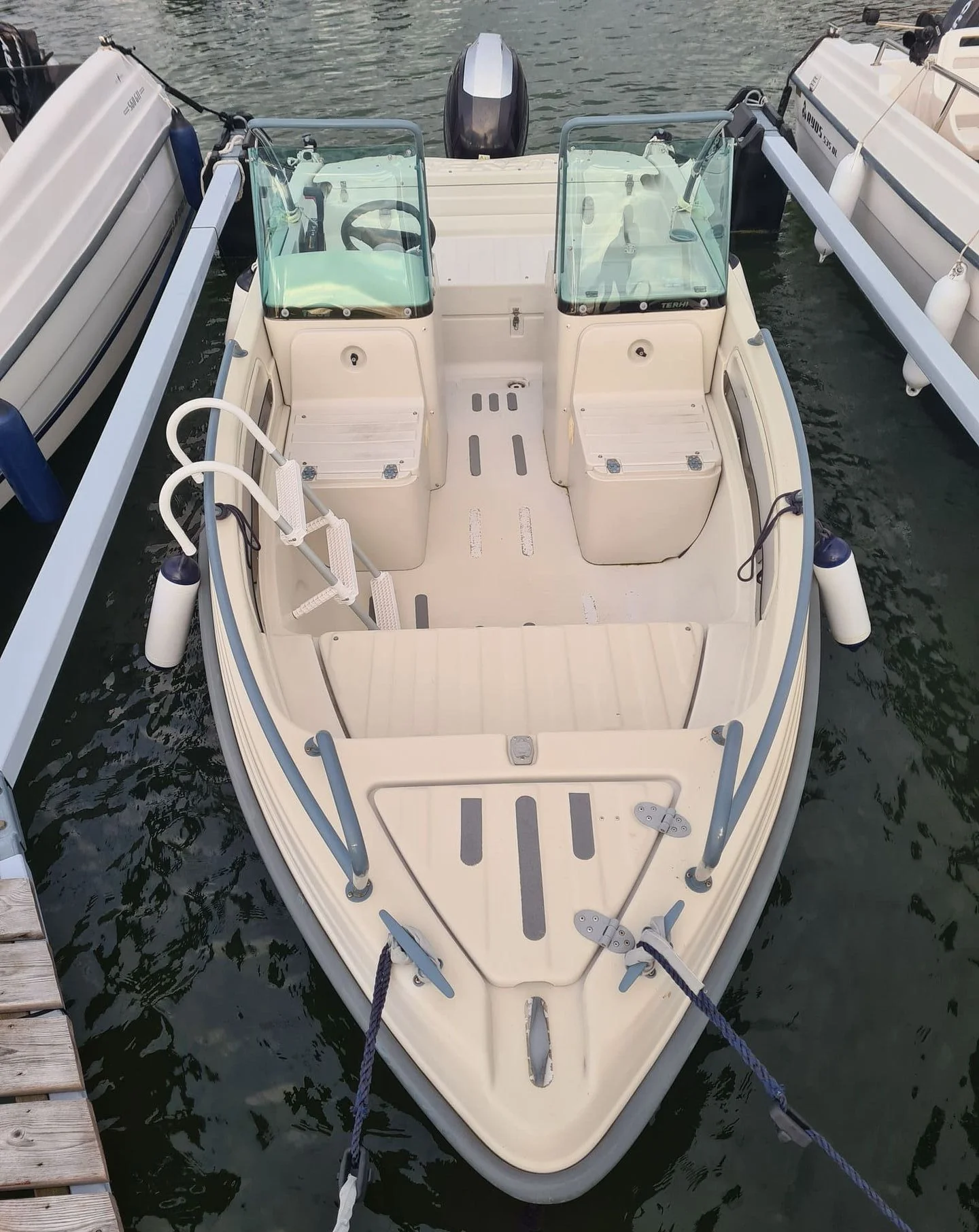
A practical rule used by experienced restorers is to walk away if total restoration costs will exceed 80 percent of what the finished boat is worth in your local market. Search current listings for comparable boats in restored condition to establish a realistic ceiling, not the asking price of the boat you are considering. Labor is often the largest hidden cost, especially if you are hiring a professional marine mechanic for engine work, gelcoat repair, and systems upgrades. Building a 20 percent contingency into your budget is not pessimism — it is the standard expectation on any boat restoration project.
Related Guides
Previous: Boat Restoration Cost: What to Budget for Every Stage of the Project | Next: How to Refurbish an Old Boat: A Step-by-Step Restoration Overview
Frequently Asked Questions
What is the first thing I should inspect on a potential restoration boat?
Start with the hull before anything else. Structural problems in the hull are the most expensive to fix and can make an otherwise appealing project completely uneconomical. A professional marine survey is money well spent before you commit to a purchase.
How do I estimate the total cost of a boat restoration?
Get written quotes for every major category: hull repairs, engine work, upholstery, electrical systems, and safety equipment. Add those figures together, then add a 20 percent contingency for surprises. Compare that total against the current market value of a finished, comparable boat.
Is it cheaper to restore a boat or buy a newer used one?
In many cases, buying a newer used boat in good condition is cheaper once you account for all restoration labor and parts. Restoration makes the most financial sense when you find a structurally sound boat with a strong market value and a relatively limited scope of work.
Can I restore a boat myself to save money?
DIY work can reduce costs on cosmetic tasks like painting, cleaning, and upholstery. However, engine rebuilds, structural fiberglass repairs, and electrical systems should be handled by a qualified marine mechanic to ensure safety and avoid costly mistakes.
How do engine hours affect whether a boat is worth restoring?
High engine hours signal that a rebuild or full replacement may be needed, which is often the largest single cost in a restoration. Always get a mechanical inspection and price out worst-case engine replacement before finalizing your decision.
Where can I get professional help evaluating a boat before I restore it?
A certified marine surveyor can assess hull and structural condition, while a mobile marine mechanic can evaluate the engine, drivetrain, and onboard systems. Using both gives you a complete picture of what the project will actually cost.