
Signs Your Boat's AC Compressor Is Failing
A failing marine AC compressor usually announces itself through warm air, unusual noises, or a system that cycles on and off without ever cooling the cabin. Catching these symptoms early can mean the difference between a simple repair and a full compressor replacement. If your boat's air conditioning is behaving strangely, the compressor is the first place a marine technician will look. Learn more about Marine Ac Repair.
What the Compressor Actually Does
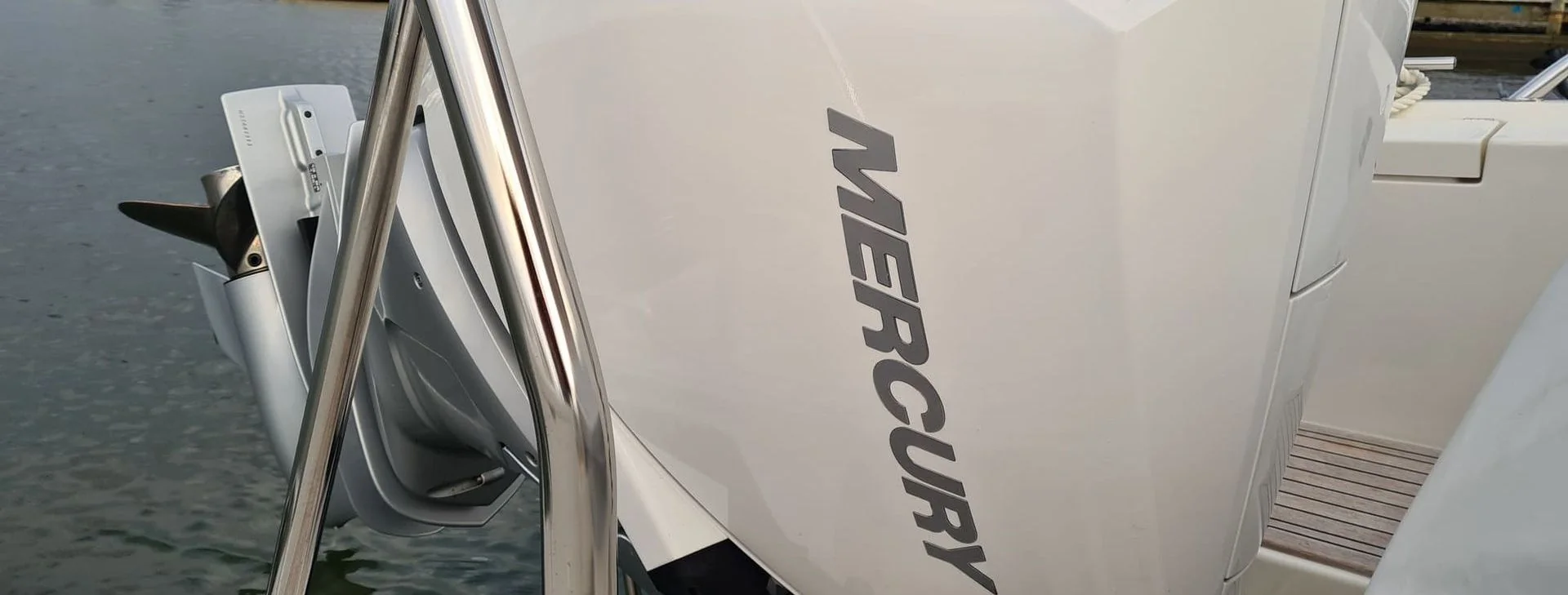
The compressor is the heart of your marine AC system. It pressurizes refrigerant and pushes it through the system so heat can be pulled out of the cabin air and discharged overboard through the seawater cooling loop. Without a functioning compressor, refrigerant cannot circulate and the system produces no meaningful cooling. Because marine compressors run in a hot, humid, salt-air environment, they wear faster than residential units and require more frequent attention.
Common Signs of a Failing Marine AC Compressor
These are the most reliable warning signs that your compressor is struggling or has already failed.
Warm Air Only:
The blower runs and air moves through the vents, but the cabin never cools down. This is the most obvious sign that refrigerant is not being compressed and circulated.
Loud Clicking or Grinding:
A healthy compressor hums steadily. Clicking at startup, grinding during operation, or a loud bang when the unit engages all point to internal mechanical wear or a failing clutch.
Short Cycling:
The system turns on, runs for a minute or two, shuts off, and repeats. Short cycling often means the compressor is overheating or the refrigerant pressure is outside the normal operating range due to a weak compressor.
Refrigerant Leaks:
Oily residue around compressor fittings or a gradual loss of cooling performance over a season can indicate a compressor seal that is no longer holding refrigerant under pressure.
Tripped Breakers:
A compressor drawing too much amperage as it struggles to start or run will repeatedly trip the circuit breaker. This is a sign of electrical or mechanical stress inside the unit.
Visible Corrosion or Damage:
Salt air attacks compressor housings, electrical connections, and clutch components. Heavy corrosion on the compressor body or its wiring harness often precedes complete failure.
Can You Run the System With a Failing Compressor?
In most cases, running a marine AC system with a failing compressor is not worth the risk. A compressor that is grinding internally can shed metal debris into the refrigerant lines, contaminating the entire system including the expansion valve and the seawater heat exchanger. What starts as a compressor replacement can quickly become a full system flush and component replacement if the unit is allowed to run until it seizes.
There are limited situations where a system limps along at reduced capacity, such as when a compressor clutch slips intermittently or when refrigerant is slightly low. In those cases you may get occasional cooling, but the underlying problem will worsen. Operating the system in this state is generally not recommended beyond getting the boat to a point where a technician can service it.
When Replacement Is the Only Real Option
Replacement becomes unavoidable when the compressor has seized, when internal debris has already entered the refrigerant circuit, or when the unit is drawing enough amperage to repeatedly trip breakers. Older compressors that have lost their refrigerant charge multiple times are also strong replacement candidates, since repeated recharging without fixing the root cause accelerates wear on the seals and valves. A qualified marine AC technician can pressure-test the system, check amperage draw, and inspect the compressor clutch to give you a clear picture of whether repair or replacement makes more financial sense for your situation. For a full diagnosis and repair, see our marine AC repair service page.
Related Guides
Previous: Most Common Marine AC Problems and How to Diagnose Them | Next: The 3-Minute Rule and Other Marine AC Operating Guidelines Explained
Frequently Asked Questions
How long does a marine AC compressor typically last?
Most marine compressors last between five and fifteen years depending on how often the boat is used, how well the system is maintained, and how harsh the operating environment is. Boats kept in tropical or high-humidity climates tend to see shorter compressor lifespans due to accelerated corrosion and heavier cooling loads.
Is it possible to repair a marine AC compressor rather than replace it?
Internal compressor repairs are rarely practical on marine units. The labor cost of disassembling and rebuilding a compressor usually exceeds the cost of a new or remanufactured unit, and a rebuilt compressor carries more risk of repeat failure. Clutch replacements are an exception and can sometimes extend compressor life if the rest of the unit is in good condition.
What causes marine AC compressors to fail faster than residential ones?
Marine compressors face salt air, high humidity, vibration from the hull, and frequent on-off cycling as the boat moves in and out of the sun. These conditions accelerate corrosion on electrical connections and seals, and the vibration environment is far more demanding than a stationary home unit experiences.
Will low refrigerant damage the compressor?
Yes. Refrigerant carries lubricating oil throughout the system, and a compressor running low on refrigerant is also running low on lubrication. This causes accelerated wear on internal components and can lead to premature failure even if the compressor itself was otherwise in good shape.
How do I know if it is the compressor or another component causing warm air?
A technician will check system pressures on both the high and low sides, measure compressor amperage draw, and verify that the clutch is engaging properly. Warm air can also come from a clogged seawater strainer, a failed expansion valve, or low refrigerant, so a proper diagnosis is important before assuming the compressor is the problem.
How much does it cost to replace a marine AC compressor?
Costs vary based on the system size, the compressor model, and how accessible it is on your specific boat. Compressor replacement is generally one of the more significant marine AC repairs, so getting a written estimate from a qualified technician before authorizing work is always a good idea.