
Dinghy Repair Near Me: What to Expect
When you search for dinghy repair near me, you want a mechanic or marine technician who can assess your tender quickly and get it back in the water without a trip to a distant boatyard. Most dinghy repairs — from inflatable tube patches and transom fixes to outboard bracket replacements — can be handled on-site by a mobile marine mechanic. Knowing what the job involves helps you describe the problem clearly, get an accurate quote, and avoid paying for more than you need. Learn more about Boat Repair.
What dinghy repair actually covers
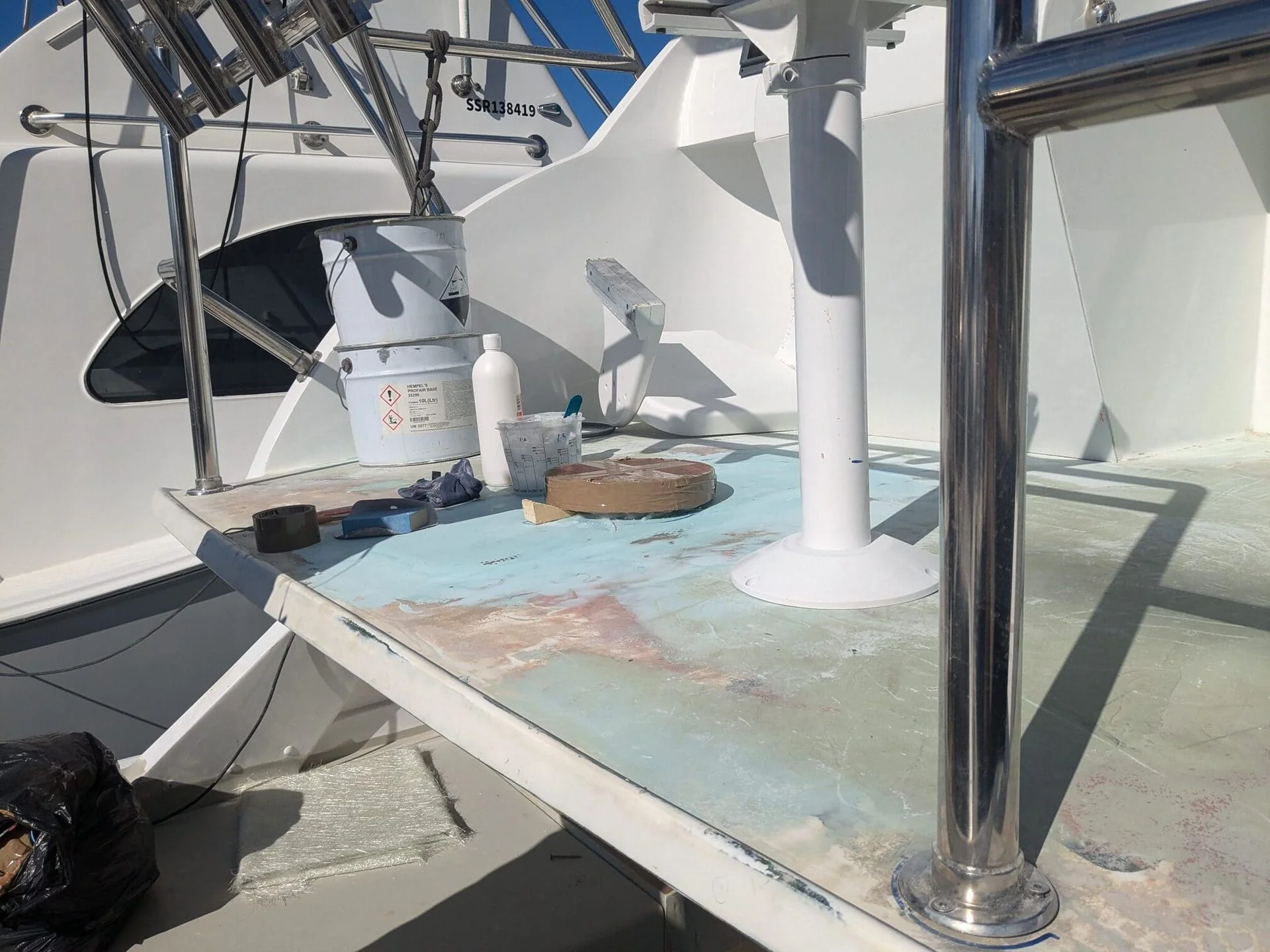
Dinghies take a beating. They drag across beaches, bounce off dock pilings, and sit in the sun for years, so the range of repairs is wide. Inflatable dinghies most often need tube re-glueing, valve replacements, or full fabric patches where abrasion or UV degradation has caused slow leaks. Hard-sided tenders and RIBs (rigid inflatable boats) can develop cracked fibreglass hulls, delaminated floors, or corroded aluminium frames. A mobile marine mechanic can carry the adhesives, patch kits, and fibreglass materials needed to handle most of these jobs at your marina or mooring, which saves you the hassle and cost of trailering the boat anywhere.
How to find the leak before the mechanic arrives
Pinpointing a leak yourself before calling a technician saves time and money. Inflate the dinghy fully, then mix a small amount of dish soap with water and brush it over the seams, valves, and fabric panels. Bubbles will form exactly where air is escaping. Mark each spot with a waterproof marker or a piece of tape so the mechanic can go straight to the problem area without spending the first part of the job hunting for it.
If the dinghy loses pressure slowly over several hours rather than minutes, the culprit is almost always a valve or a pinhole along a seam rather than a large tear. A fast, audible leak usually points to a puncture or a failed glue joint. Describing this behaviour accurately when you call for a quote means the technician arrives with the right materials and a realistic time estimate.
- Inflate fully before inspection — partial inflation hides small leaks
- Use soapy water on valves, seams, and fabric panels
- Mark every bubble spot before deflating again
- Note whether pressure loss is fast or gradual — it changes the diagnosis
- Check the transom attachment points for soft spots or movement
Common dinghy problems and what drives the repair cost
Repair cost depends on the type of damage, the materials involved, and how accessible the dinghy is when the technician arrives.
Valve replacement:
One of the quickest fixes. A faulty or seized inflation valve is swapped out in under an hour and is usually the first thing a mechanic checks when a tube will not hold pressure.
Fabric patch:
Small punctures and abrasion holes are patched with matching Hypalon or PVC material and two-part adhesive. Cure time is the main variable — some adhesives need several hours before the tube can be re-inflated.
Seam re-glueing:
Seams that have lifted due to age or UV exposure are cleaned back, re-coated with adhesive, and clamped. This is more labour-intensive than a simple patch and may require the tube to be deflated overnight.
Fibreglass hull repair:
Cracks and impact damage on hard-floor RIBs or solid-hull tenders are ground back, filled with fibreglass cloth and resin, and faired smooth. Extent of damage determines whether a single visit is enough.
Transom repair or replacement:
A soft or delaminated transom is a safety issue because it supports the outboard motor. Replacement involves cutting out the old core, fitting marine-grade plywood or composite, and re-glassing the outer skin.
Outboard bracket and fittings:
Corroded or cracked motor brackets, rowlock sockets, and tow rings are replaced as individual components. Stainless or marine-grade aluminium hardware is standard for longevity in saltwater.
Why a mobile mechanic makes sense for dinghy work
Dinghies are awkward to transport — too big to throw in a car, too small to justify hiring a trailer. A mobile marine mechanic comes to your marina, boatyard, or even your driveway, which eliminates that problem entirely. Because the technician works on-site, you can watch the repair, ask questions, and confirm the fix before they leave. For inflatable repairs in particular, the mechanic can re-inflate the tube on the spot and verify there are no remaining leaks, giving you confidence before you put the dinghy back in service. For more complex boat repair work beyond the tender itself, a mobile mechanic can assess your whole vessel in the same visit.
Related Guides
Previous: pontoon boat repair near me | Next: pontoon carpet replacement
Frequently Asked Questions
Can an inflatable dinghy be repaired if it is very old?
Age alone is not a reason to write off an inflatable. If the fabric is still structurally sound and the tubes hold their shape when inflated, patches and valve replacements can extend the life significantly. The exception is when the PVC or Hypalon coating has degraded to the point where adhesive will not bond reliably — a technician can assess this quickly by feel and a simple adhesion test.
How long does a typical dinghy repair take?
A valve swap or small puncture patch usually takes one to two hours including cure time checks. Seam repairs and fibreglass work take longer because adhesives and resins need time to set, sometimes requiring a follow-up visit the next day. When you book, describe the damage as accurately as you can so the technician can give you a realistic time frame.
Is it worth repairing a dinghy or should I just buy a new one?
For most single-issue repairs — a leak, a failed valve, a cracked transom — repair is almost always cheaper than replacement. A new entry-level inflatable tender costs several times what a professional patch job does. The calculation changes if the hull fabric is extensively degraded or if multiple major components need replacing at once, in which case a technician can give you an honest assessment.
Do I need to deflate the dinghy before the mechanic arrives?
No — leave it inflated if possible. A fully inflated tube makes leaks far easier to locate, and the mechanic will deflate only the affected chamber when it is time to apply the patch or adhesive. Arriving to a deflated dinghy adds diagnostic time to the job.
Can a mobile mechanic repair a RIB on the water or at a mooring?
Most inflatable and minor fibreglass repairs can be done at a pontoon or alongside a vessel as long as the dinghy can be held steady. Larger structural jobs like transom replacement are easier on dry land where the mechanic has room to work and the repair can cure without movement. Your technician will advise on the best location when you describe the job.
What is the difference between PVC and Hypalon repair materials, and does it matter?
PVC and Hypalon are the two main inflatable fabrics, and they require different adhesives — using the wrong one results in a bond that fails quickly. A professional technician will identify your tube material before starting and use the correct primer and glue. If you are unsure which material your dinghy uses, the manufacturer's documentation or a quick call to the technician before the visit will sort it out.