
Boat Canvas Repair Cost: A Realistic Price Breakdown
Most boat canvas repairs run between $150 and $1,200 depending on the size of the damage, the type of fabric involved, and whether any hardware needs replacing. Small patches and seam repairs sit at the lower end, while full enclosure panel replacements or complex bimini work push toward the higher end. Knowing what drives the price helps you budget accurately and evaluate any quote you receive. Learn more about Boat Canvas Repair.
What Goes Into the Cost of Canvas Repair
Canvas repair pricing is not one-size-fits-all because every job involves a different combination of material, labor, and hardware. A small tear in a cockpit cover is a quick patch job, while a failing bimini top with corroded frame fittings and sun-rotted fabric is a multi-hour project requiring specialty materials. Labor typically makes up the largest share of the total, especially when a mechanic has to remove, repair, and reinstall the canvas on-site at your dock or marina. Understanding these layers helps you have a more productive conversation with whoever gives you a quote.
Key Factors That Affect Your Repair Price
These are the main variables a technician considers when pricing a canvas repair job.
Size of the Damage:
A pinhole or short seam split costs far less to fix than a large tear or a panel that has separated along multiple edges. Bigger damage means more material and more labor time.
Canvas Material:
Standard acrylic canvas like Sunbrella is widely available and moderately priced. Stamoid, vinyl-coated polyester, and other premium fabrics cost more per yard and may require specialized thread and techniques.
Hardware and Fittings:
Snaps, zippers, Velcro, and frame fittings all wear out independently of the fabric. Replacing corroded or broken hardware adds parts cost and labor time to any repair.
Labor and Access:
Mobile marine mechanics charge for travel and on-site work. Tight spaces, overhead rigging, or a canvas that is difficult to remove and reinstall all increase the time required.
Repair vs. Replacement:
If the fabric is heavily UV-degraded or structurally weak in multiple areas, a patch may not hold long. A technician may recommend partial or full panel replacement, which costs more upfront but lasts significantly longer.
Number of Pieces:
A full enclosure with multiple panels, a bimini top, and a cockpit cover all repaired in one visit will cost more in total but may save on individual service call fees compared to scheduling separate trips.
Typical Price Ranges for Common Repairs
Seam repairs and small patches are the most affordable canvas work, often falling between $150 and $350 for a straightforward job. This covers the labor to clean the area, apply a proper patch or re-stitch a seam, and seal the repair against water intrusion. Zipper replacements typically land in the $100 to $250 range per zipper depending on length and type, and snap replacement runs $10 to $25 per snap when done as part of a larger service call.
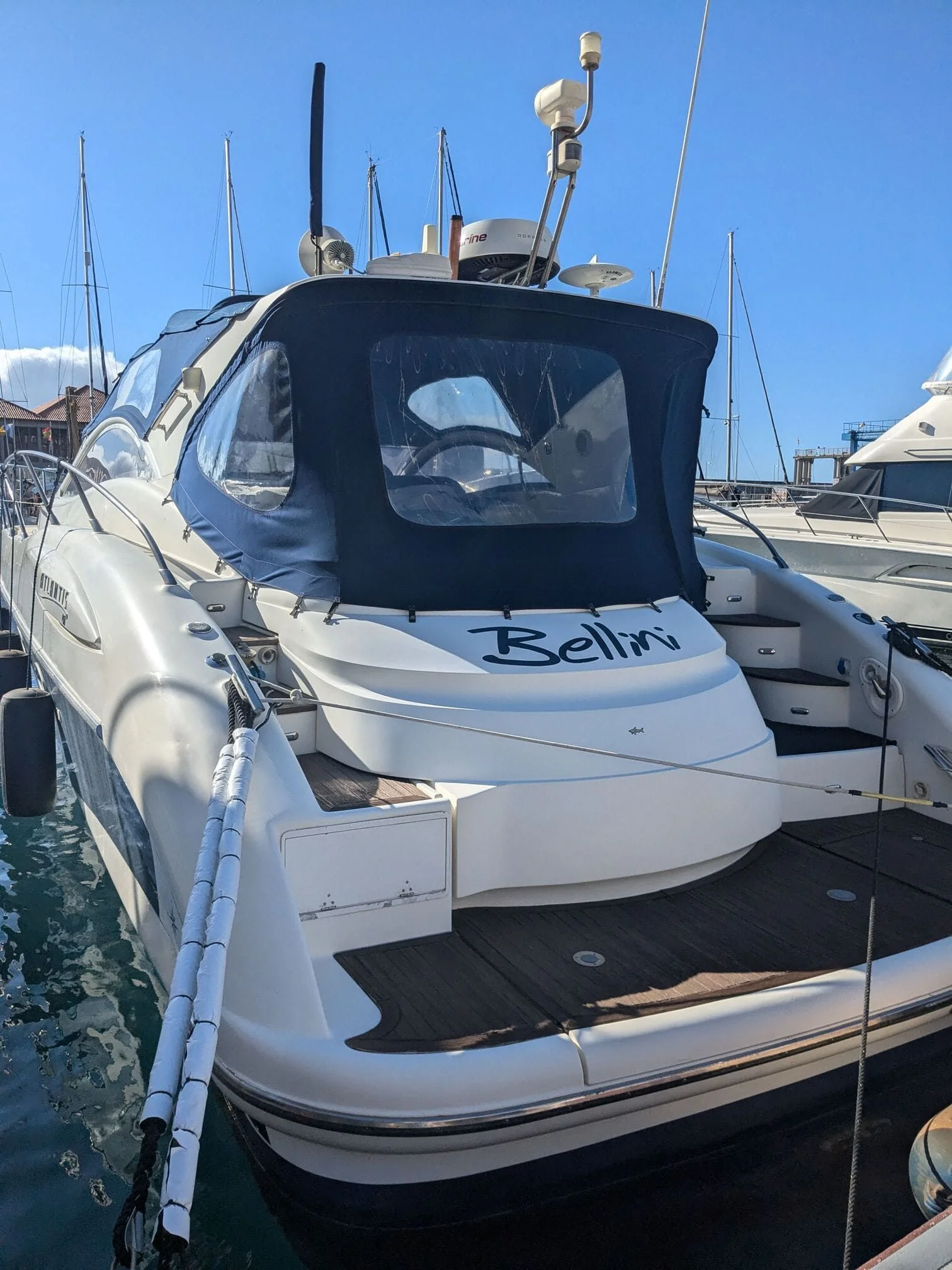
Bimini top repairs vary widely. Repairing a single panel tear might cost $200 to $400, while replacing a full bimini top panel with new fabric can run $400 to $800 or more depending on the size of the boat and the fabric chosen. Full enclosure work — the kind that wraps around a helm station with multiple clear vinyl windows and zippered panels — is the most expensive category, with major repairs or partial replacements often reaching $600 to $1,200 or beyond for larger vessels.
When to Repair and When to Replace
A good rule of thumb is that if the fabric is still structurally sound in most areas, a targeted repair is worth doing and will extend the life of the canvas by several seasons. If you are patching over patches, or if the material tears easily when handled, the underlying fabric has likely lost its integrity from UV exposure and the repair will not hold well. A professional can assess this quickly during a service call and give you an honest recommendation. Investing in a full replacement at the right time is almost always more cost-effective than repeated short-term fixes on canvas that has reached the end of its useful life.
Related Guides
Previous: Can You Repair a Ripped Boat Canvas? What's Fixable vs. What Needs Replacing | Next: Best Patches, Tape, and Glue for Boat Canvas Repair: A Buyer's Guide
Frequently Asked Questions
Can I patch boat canvas myself to save money?
DIY adhesive patches are available and can work as a temporary fix for small tears, but they rarely bond as durably as a professionally stitched and sealed repair. Improper patching can also trap moisture and accelerate fabric deterioration around the repair site. For anything beyond a very minor temporary fix, professional repair is the better long-term investment.
How long does a professional canvas repair typically last?
A well-executed repair on fabric that still has good overall integrity can last three to five years or longer with proper care. The longevity depends heavily on how much UV exposure the canvas receives and whether it is cleaned and treated with a fabric protectant regularly. Repairs on heavily degraded fabric will not last as long regardless of the quality of the work.
Does boat insurance cover canvas repair?
It depends on your policy and the cause of the damage. Sudden damage from a storm or an accident may be covered under a comprehensive marine policy, while wear-and-tear deterioration typically is not. Contact your insurer before the repair and ask whether the damage qualifies, and get a written estimate from your technician to support any claim.
How do I know if my canvas needs repair or full replacement?
Signs that repair is still viable include isolated tears, failed seams in otherwise strong fabric, and broken hardware on material that is still pliable and water-resistant. Signs that replacement makes more sense include widespread fading, fabric that feels brittle or tears easily, multiple failing areas, and repairs that have already been done more than once. A mobile marine mechanic can assess the condition on-site and give you a clear recommendation.
What is the best canvas material for longevity?
Solution-dyed acrylic fabrics are widely regarded as the best balance of durability, UV resistance, and breathability for most boating applications. Vinyl-coated polyester is a strong option for enclosures that need to be fully waterproof. The right choice depends on how the canvas is used, how much sun exposure it gets, and your budget for materials.
How can I slow down canvas wear between repairs?
Keeping canvas clean and free of mildew, applying a UV-protective fabric treatment once or twice a season, and storing or covering the canvas when the boat is not in use all significantly extend its life. Avoiding pressure washing at close range and letting canvas dry fully before folding it also prevents premature breakdown of the fibers and coatings.