
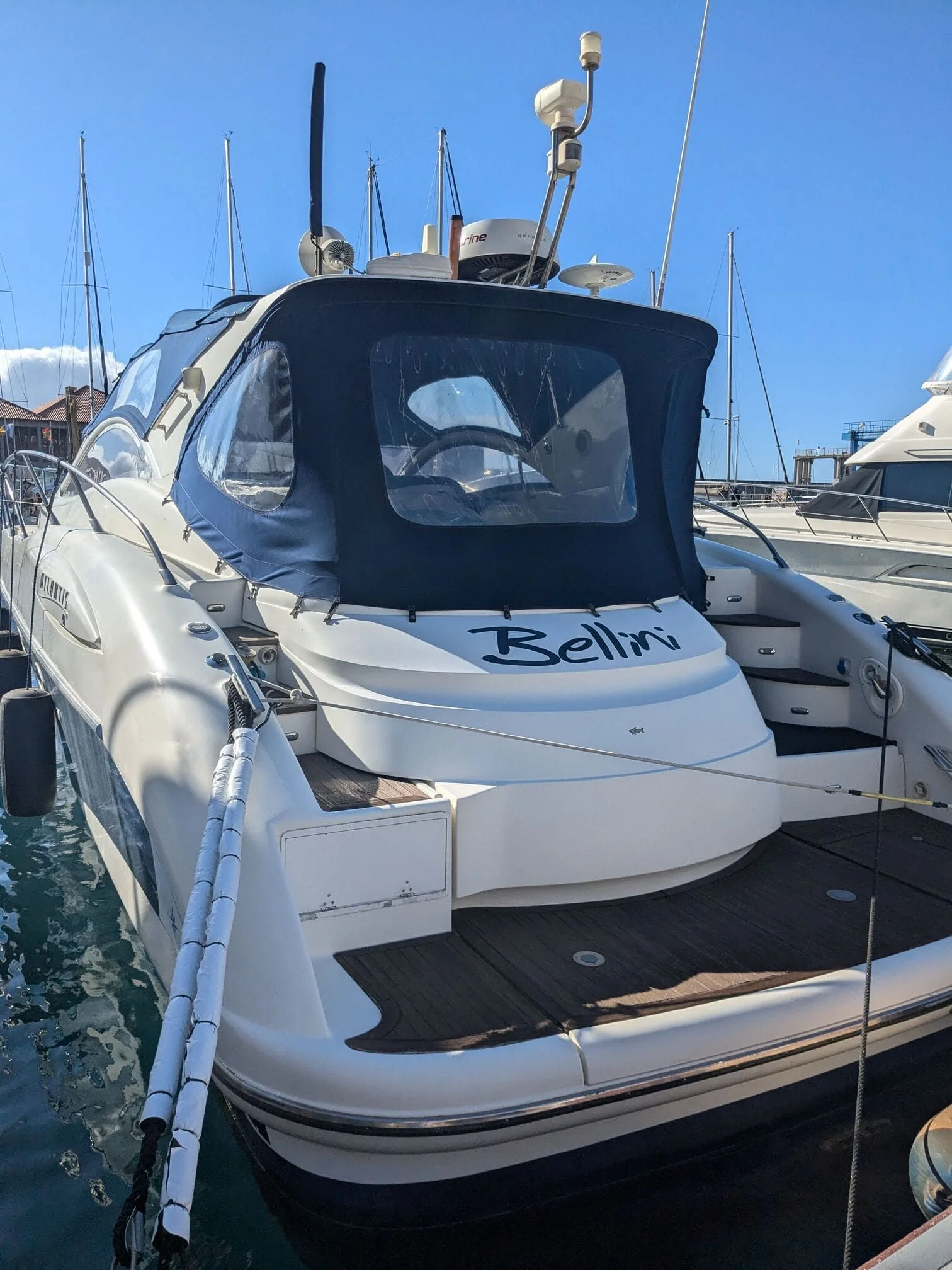
Best Materials for Fiberglass Boat Repair Explained
The right material for a fiberglass boat repair depends on what you are fixing: epoxy resin bonds and seals structural damage best, polyester resin matches original laminate chemistry, marine-grade fillers shape and fair surfaces, and gelcoat restores the protective outer finish. Using the wrong product — such as a hardware-store filler on a structural crack or JB Weld on a gelcoat chip — leads to repairs that fail, absorb water, or look worse than the original damage. Understanding what each material does and where it belongs saves you time, money, and a second repair. Learn more about Fiberglass Boat Repair.
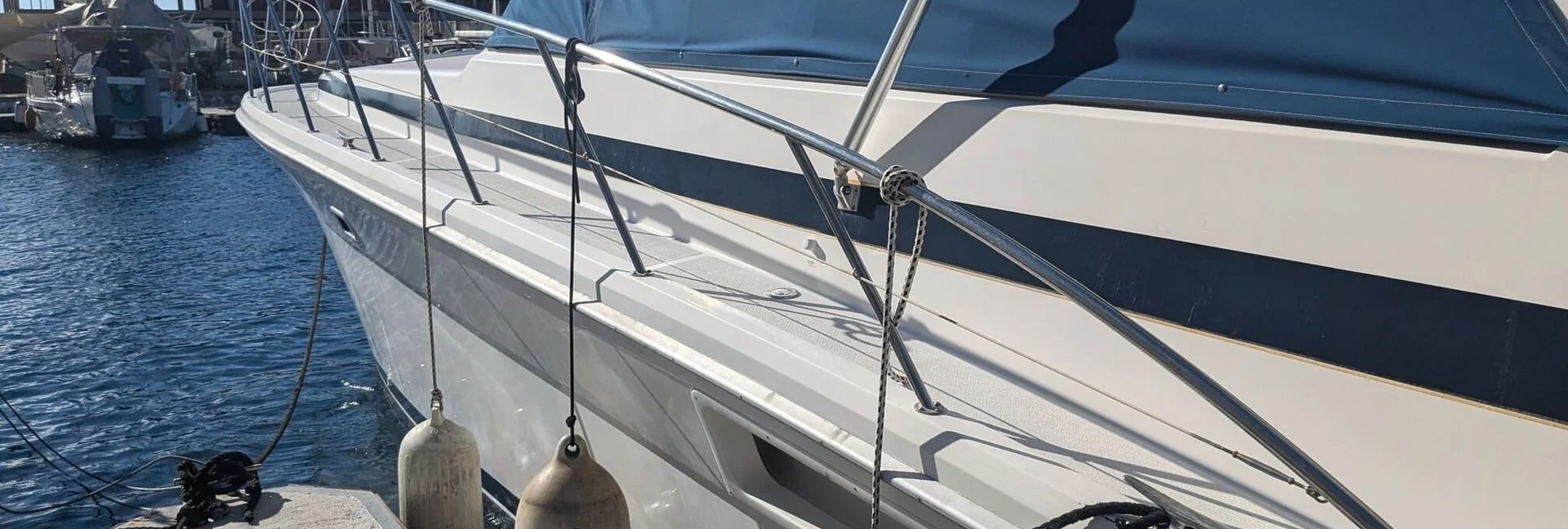
Epoxy vs. Polyester Resin: Choosing the Right Base
Epoxy resin is stronger, bonds to almost any surface, and resists water absorption far better than polyester, making it the preferred choice for structural repairs such as cracks, delamination, and hull damage below the waterline. Polyester resin is what most production boats are originally built with, so it is chemically compatible with existing laminate and costs less, but it shrinks slightly as it cures and does not bond as well to cured polyester without proper surface prep. A common mistake is applying epoxy under gelcoat: gelcoat does not adhere reliably to cured epoxy, so if your repair needs a gelcoat topcoat, you must either use polyester-based materials throughout or apply a compatible barrier coat. When in doubt on a structural repair, choose epoxy and plan to paint rather than gelcoat the finished surface.
Marine-Grade Fillers: What They Do and Where They Belong
Marine fillers are thickened compounds used to build up, shape, and fair a repair area before final finishing. Products like 3M Marine Filler, Interlux Watertite, and West System with colloidal silica or microballoons each serve slightly different purposes. Fairing compounds with microballoons sand easily and are ideal for smoothing large areas above the waterline. Structural fillers with silica or chopped fibers are harder, resist compression, and belong in voids, core repairs, or areas that take physical stress.
The most important rule with any filler is to never use it as a structural fix on its own. Filler fills gaps and creates a smooth surface; it does not restore tensile strength to damaged laminate. Always lay fiberglass cloth or mat saturated with resin first to rebuild structure, then use filler to fair the surface flush. Skipping the cloth layer and relying on filler alone is one of the most common DIY mistakes, and the repair will crack or pop out under flex.
- Fairing filler: best above the waterline for smoothing and shaping
- Structural filler (silica-thickened epoxy): fills voids, bonds hardware, repairs cored areas
- Waterproof polyester filler: quick cosmetic fixes on non-structural gelcoat chips
- Never use automotive body filler (Bondo) on a boat — it absorbs water and swells
Common Repair Materials at a Glance
Each product has a specific role — using one outside its intended application is where most repairs go wrong.
Epoxy Resin:
Best for structural repairs, delamination, and below-waterline work. Superior adhesion and water resistance, but gelcoat will not bond directly over cured epoxy.
Polyester Resin:
Chemically matched to most production hulls. Good for laminate repairs that will be finished with gelcoat, but more brittle and more porous than epoxy over time.
Gelcoat:
The pigmented outer skin of a fiberglass boat. Used to restore color and UV protection after structural repairs are complete. Must be color-matched and applied in thin coats.
Marine Fairing Filler:
Lightweight, sandable compound for shaping and smoothing surfaces. Not structural — always apply over cured laminate, never as a standalone fix.
JB Weld / Epoxy Putty:
Useful for small, non-structural tasks like sealing a fitting hole or a minor surface crack. Not a substitute for proper laminate repair on anything load-bearing or below the waterline.
Fiberglass Cloth and Mat:
The actual structural component of any repair. Woven cloth adds strength in specific directions; chopped strand mat bonds layers together. Always the first step in a real structural fix.
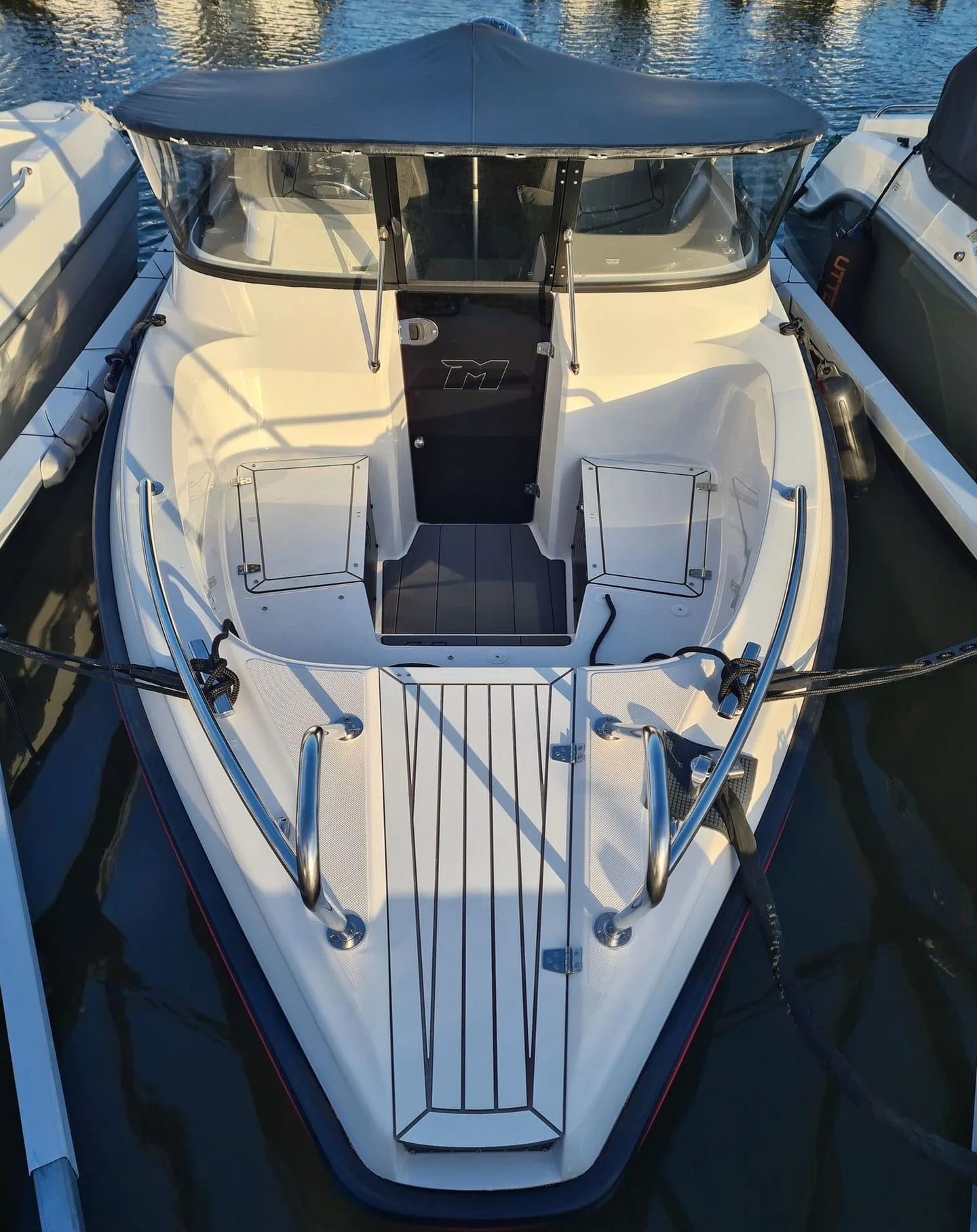
Applying Gelcoat Over Old Gelcoat: What You Need to Know
Gelcoat can be applied over existing gelcoat as long as the old surface is clean, dry, sanded to at least 80-grit, and free of wax, oil, and contamination. The biggest challenge is color matching: gelcoat fades with UV exposure, so even a factory-matched color will look noticeably different on an older hull unless the surrounding area is blended and polished carefully. Gelcoat also requires either a wax additive or a PVA release film over the surface while it cures, because it will not fully harden when exposed to air. Skipping this step leaves a tacky surface that never fully cures and cannot be sanded or polished to a finish.
Related Guides
Previous: How Much Does Fiberglass Boat Repair Cost? A Complete Pricing Guide
Frequently Asked Questions
Can I use JB Weld to fix a crack in my fiberglass hull?
JB Weld can temporarily seal a small, non-structural surface crack, but it is not a proper fiberglass repair. It does not flex with the hull, does not bond reliably to gelcoat long-term, and should never be used on cracks that go through the laminate or on any area below the waterline. A correct repair uses resin-saturated fiberglass cloth to restore strength.
What is the difference between gelcoat and paint for finishing a repair?
Gelcoat is a pigmented polyester resin that forms the original outer skin of a fiberglass boat — it is thicker, harder, and more UV-resistant than paint. Marine paint is easier to apply and color-match but does not provide the same surface hardness. If your boat still has its original gelcoat, matching with gelcoat gives a more durable and factory-correct result.
Why does my gelcoat repair look a different color than the rest of the hull?
Gelcoat fades and yellows with sun exposure over time, so even a factory color-matched gelcoat will appear brighter or slightly different on an aged hull. Wet-sanding and polishing the surrounding area after the repair cures helps blend the transition. For older boats, some technicians tint the gelcoat slightly to compensate for the existing fade.
Should I use epoxy or polyester resin for a repair that will be covered with gelcoat?
Use polyester resin if the repair will be finished with gelcoat, because gelcoat bonds reliably to cured polyester. Epoxy is stronger and better for structural work, but cured epoxy does not give gelcoat a surface it can adhere to properly. If you use epoxy for structural reasons, plan to finish with paint rather than gelcoat.
Is automotive body filler (Bondo) acceptable for fiberglass boat repairs?
No. Automotive body filler is not waterproof and will absorb moisture, swell, and crack when used on a boat. Always use a marine-grade filler rated for wet environments. This is one of the most common mistakes in DIY boat repairs and often leads to the repair failing within a single season.
When should I call a professional instead of doing a fiberglass repair myself?
Any damage that involves the structural laminate, core material, or extends below the waterline warrants professional assessment. Cosmetic gelcoat chips and small surface scratches are reasonable DIY projects, but cracks that flex, soft spots in the hull, or impact damage that goes through multiple layers need proper diagnosis and repair to keep the boat safe and watertight. A professional fiberglass boat repair service can assess whether the damage is deeper than it appears.