
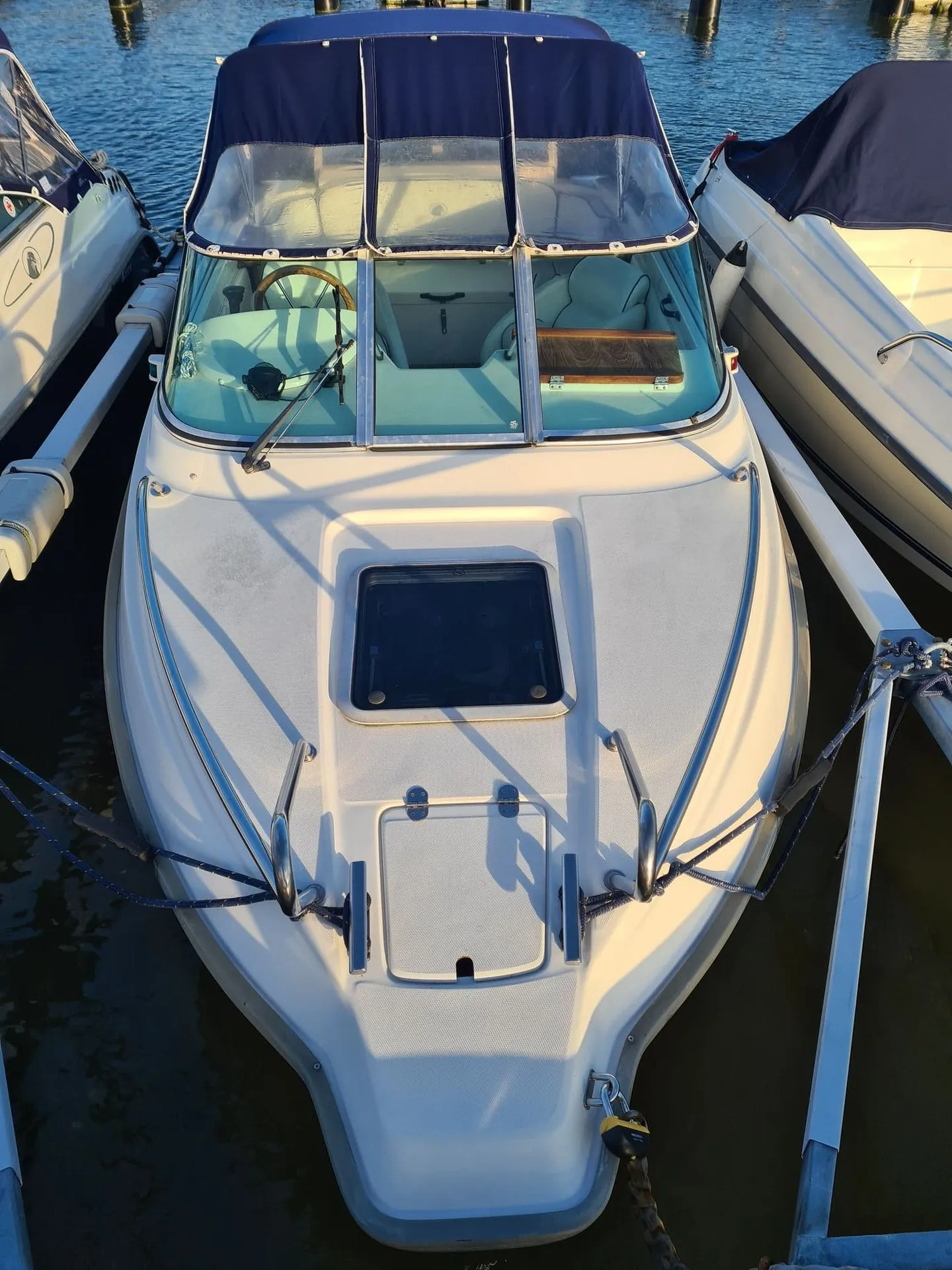
Boat Dock Repair: What Owners Need to Know
Boat dock repair covers everything from replacing rotted decking boards and corroded hardware to fixing damaged pilings, cleats, and electrical connections. Catching problems early almost always costs less than a full rebuild, and many repairs can be completed without hauling your vessel out of the water. Whether your dock is wood, aluminum, or composite, understanding the repair process helps you make smarter decisions and avoid unnecessary downtime. Learn more about Boat Repair.

Why Dock Condition Directly Affects Your Boat
A deteriorating dock is more than an eyesore — it is an active threat to your boat. Loose cleats and failing dock lines allow a vessel to shift and grind against pilings, causing hull scratches, gelcoat damage, and in rough weather, serious structural harm. Corroded electrical connections on a dock can introduce stray current into the water, which damages metal fittings below the waterline and creates a safety hazard. Keeping your dock in sound condition is one of the most cost-effective forms of boat protection available.
Common Dock Problems and How They Progress
Wood docks are the most common and the most vulnerable. Freshwater exposure, UV radiation, and seasonal freeze-thaw cycles break down timber over time. What starts as surface checking or minor discoloration can progress to soft spots, structural rot, and eventually board failure. The problem is that rot rarely stays in one place — moisture travels along grain lines and through fastener holes, spreading damage faster than most owners expect.
Aluminum and composite docks are more resistant to rot but are not immune to problems. Aluminum can corrode at fastener points, especially in saltwater environments, and composite boards can crack or delaminate if the substructure beneath them shifts. Pilings — the vertical posts that anchor the entire structure — are the most critical element on any dock. A leaning or cracked piling compromises the whole platform and should be assessed by a professional before any surface repairs are attempted.
- Soft or spongy boards underfoot — a sign of rot in the decking or joists below
- Visible cracks or splits in decking that collect water and accelerate decay
- Loose or missing fasteners that allow boards to shift under load
- Corroded or pull-through cleats that cannot hold a dock line reliably
- Leaning pilings or uneven sections indicating substructure movement
- Flickering dock lights or tripped breakers pointing to wiring faults
Dock Repair Options at a Glance
The right repair approach depends on the material, the extent of damage, and how the dock is used.
Board Replacement:
Individual decking boards are removed and replaced with pressure-treated lumber or composite material. This is the most common repair and is straightforward when the substructure is still sound.
Joist and Stringer Repair:
The horizontal framing beneath the decking supports the entire walking surface. Rotted or cracked joists must be sistered or replaced before new boards are laid, or the surface repair will fail prematurely.
Piling Repair or Replacement:
Damaged pilings can sometimes be reinforced with fiberglass wraps or concrete collars, but severely compromised pilings need full replacement. This is the most involved dock repair and typically requires professional equipment.
Cleat and Hardware Upgrade:
Cleats, bumpers, and dock rings take constant load and wear. Replacing them with properly sized, through-bolted hardware is a quick repair that significantly improves safety and holding power.
Electrical and Lighting Repair:
Dock wiring must meet marine electrical standards. Faulty connections, exposed conductors, and undersized circuits are fire and shock hazards that should be repaired by someone familiar with marine electrical systems.
Full Section Rebuild:
When damage is widespread, rebuilding a section from the pilings up is more economical than patching. A rebuilt section can be matched to the existing dock and will outlast repeated surface repairs.
How Dock Repair Connects to Boat Repair
Dock problems and boat problems are closely linked. A mechanic inspecting a boat for hull damage, corroded fittings, or electrical faults will often identify the dock as the source. Stray current corrosion, for example, eats through zinc anodes, propeller shafts, and through-hull fittings — and the fix is not on the boat, it is in the dock wiring. Addressing both together saves time and prevents the same damage from recurring. If your boat has unexplained corrosion or recurring electrical issues, having the dock inspected at the same time as your boat repair is a practical step that many owners overlook.
Related Guides
Previous: Trailer Repair | Next: inflatable boat repair near me
Frequently Asked Questions
How do I know if my dock needs repair or full replacement?
If the decking surface is damaged but the joists, stringers, and pilings are still solid, repair is almost always the better value. When the substructure is rotted or the pilings are compromised, the cost of repeated surface repairs quickly approaches the cost of rebuilding. A professional inspection of the framing and pilings gives you the clearest picture before committing to either path.
Can dock repairs be done while my boat is still tied up?
Many surface repairs — replacing boards, upgrading cleats, fixing lighting — can be done with the boat in place or temporarily moved to a nearby slip. Piling work and major substructure repairs usually require the area to be clear. A good repair crew will plan the work sequence to minimize disruption to your normal use of the dock.
What is the best decking material for a replacement dock board?
Pressure-treated lumber is the most affordable option and performs well when properly maintained, but composite decking has become popular because it resists rot, splinters less, and requires minimal upkeep. Tropical hardwoods like ipe offer excellent durability but come at a higher cost. The right choice depends on your budget, your local climate, and how much maintenance you are willing to do each season.
Is stray current corrosion really caused by the dock?
Yes, in many cases it is. Faulty dock wiring or a poorly grounded shore power connection can introduce electrical current into the water, which accelerates galvanic corrosion on any metal submerged near the dock. If your zinc anodes are depleting unusually fast or you are seeing pitting on underwater metal parts, the dock electrical system should be tested as part of diagnosing the problem.
Do I need a permit to repair my dock?
Permit requirements vary by location and by the scope of work. Simple surface repairs like replacing boards or hardware typically do not require a permit, but piling replacement, structural changes, or any work that alters the dock footprint often does. Check with your local building or waterways authority before starting any significant structural work to avoid fines or required removal.
How often should a dock be professionally inspected?
An annual inspection is a reasonable baseline for most docks, ideally at the start of the boating season before heavy use begins. Docks in saltwater environments or areas with harsh winters may benefit from inspection twice a year. Catching small problems early — a loose fastener, a soft board, a corroded connection — is far less expensive than dealing with the damage that accumulates when those issues are left unaddressed.