Pontoon Repair Near Me: What to Expect
When you search for pontoon repair near me, you want a mechanic who comes to your dock, diagnoses the problem accurately, and gets your boat back on the water without a long haul to a distant yard. Most pontoon repairs — from tube leaks and decking rot to engine issues and electrical faults — can be handled on-site by a mobile marine mechanic. Understanding what the repair process involves helps you ask the right questions and avoid paying for work you do not need. Learn more about Boat Repair.
How a Mobile Pontoon Repair Visit Works
A mobile mechanic arrives at your marina, boat ramp, or private dock with the tools and parts most commonly needed for pontoon work. The visit starts with a thorough inspection of the hull tubes, deck structure, engine or motor, steering, electrical system, and safety equipment. Once the mechanic identifies the fault, you receive a clear explanation and a quoted price before any work begins. Most straightforward repairs are completed in a single visit, saving you the cost and hassle of trailering the boat.
Common Pontoon Problems and What Causes Them
Pontoon boats are durable, but they develop predictable issues over time. Aluminum tubes can corrode, develop pinhole leaks, or suffer impact damage that lets water in and affects buoyancy. Decking — whether carpet, marine-grade vinyl, or composite board — deteriorates when water sits underneath it, leading to soft spots and structural weakness in the cross-members below. Fencing and railing welds crack under repeated stress, especially on boats used in choppy water.
Engine and electrical problems are just as common. Outboard motors on pontoons face the same wear as any other boat motor: fouled spark plugs, corroded battery terminals, failing fuel pumps, and water intrusion into wiring harnesses. Trolling motors, stereo systems, and LED lighting packages add complexity to the electrical load, and a single corroded connection can cause multiple accessories to fail at once.
- Tube corrosion or pinhole leaks causing one end to sit low
- Soft or spongy decking from water trapped beneath the surface
- Cracked or separated railing and fencing welds
- Outboard that cranks but will not start or runs rough
- Electrical accessories that cut out intermittently
- Steering that feels stiff, loose, or unresponsive
Factors That Affect Pontoon Repair Cost
Several variables determine what you will pay, so understanding them helps you budget realistically before the mechanic arrives.
Type of Damage:
Surface-level issues like a cracked railing weld cost far less than a tube replacement or full deck rebuild, which involves removing all furniture and flooring.
Parts Availability:
Aluminum tube sections and OEM engine parts for older models may need to be ordered, adding time and sometimes a premium to the final bill.
Engine Size and Brand:
Labor and parts for a large four-stroke outboard are more involved than servicing a small electric trolling motor, so engine work scales with horsepower and complexity.
Extent of Corrosion:
Light surface oxidation is a quick fix, but deep galvanic corrosion that has spread to fittings and welds requires more material removal and longer labor time.
Travel Distance:
Mobile mechanics may charge a trip fee based on how far they travel to reach your location, which is still typically less than the cost of trailering to a boatyard.
Number of Systems Involved:
A repair that touches the engine, electrical system, and deck at the same time takes longer than a single-system fix, even if each individual task is minor.
Deck and Tube Repairs: What the Work Actually Involves
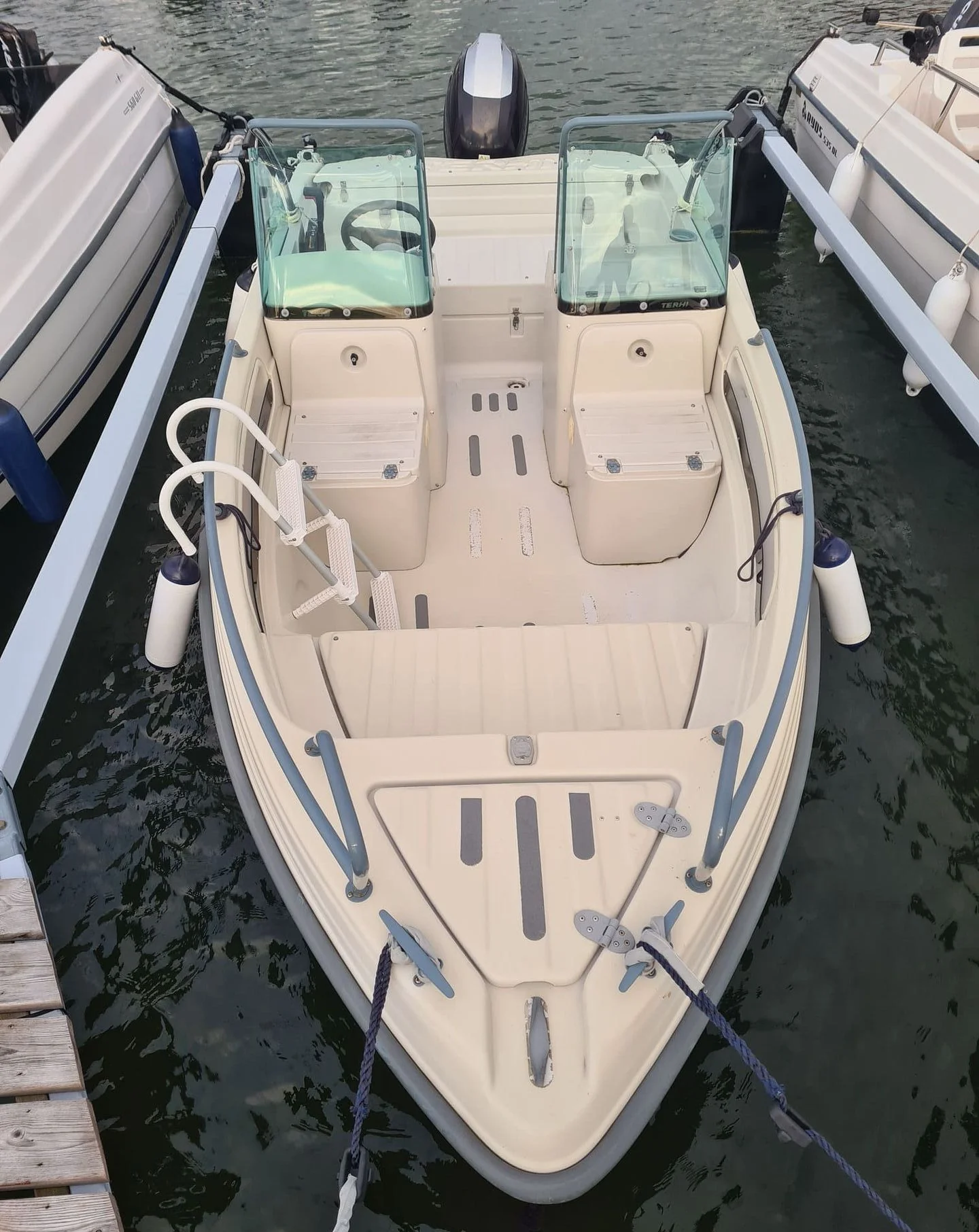
Deck repair on a pontoon starts with removing the furniture, flooring, and any storage hatches to expose the aluminum frame underneath. Rotted or warped cross-members are cut out and replaced with marine-grade aluminum before new decking material is laid and secured. Tube repairs range from applying a marine epoxy patch to a small leak all the way to welding a new section of aluminum tube, depending on the size and location of the damage. A reputable mechanic will always pressure-test the tubes after any leak repair to confirm the fix is holding before closing everything back up. For anything beyond a minor patch, this kind of structural work is exactly what a dedicated boat repair service is built to handle.
Related Guides
Previous: inflatable boat repair near me | Next: aluminum boat repair near me
Frequently Asked Questions
Can a mobile mechanic repair a pontoon tube leak on the water?
Minor pinhole leaks can often be patched at the dock using marine-grade epoxy compounds that cure underwater or in damp conditions. Larger damage typically requires the boat to be partially beached or placed on a trailer so the mechanic can access the underside of the tube safely. Your mechanic will assess the size and location of the leak before recommending the right approach.
How do I know if my pontoon deck needs to be replaced or just repaired?
Walk the entire deck and press down firmly with your foot in several spots. A soft or springy feel, visible discoloration, or a musty smell when you lift a hatch all point to water damage beneath the surface. Small isolated soft spots can sometimes be repaired by replacing individual cross-members, but widespread rot usually means a full deck replacement is more cost-effective in the long run.
Is it worth repairing an older pontoon, or should I just replace it?
Pontoon frames are extremely long-lived, and a well-maintained aluminum hull can last several decades. If the tubes are structurally sound and the engine is in reasonable condition, repairing the deck, upholstery, and accessories is almost always cheaper than buying a comparable replacement boat. A mechanic can give you an honest assessment of the hull's condition to help you make that call.
How long does a typical pontoon repair take?
Simple jobs like an outboard tune-up, a railing weld, or a minor electrical fix are usually done in two to four hours during a single visit. Deck replacements and tube repairs are larger projects that may take one to three days depending on parts lead times and the scope of the damage. Your mechanic should give you a realistic time estimate before starting work.
Do I need to be present during the repair?
It is helpful to be available at the start of the visit so the mechanic can walk through the findings with you and get your approval before proceeding. Once work is underway, you do not need to stay on-site, but you should be reachable by phone in case an unexpected issue is discovered that changes the scope or cost of the job.
What should I do to prepare my pontoon before the mechanic arrives?
Clear loose gear, coolers, and personal items from the deck so the mechanic has unobstructed access to the areas being repaired. If the work involves the engine, make sure the fuel tank has enough fuel to run a post-repair test. Having your registration and any previous service records on hand can also help the mechanic understand the boat's history quickly.